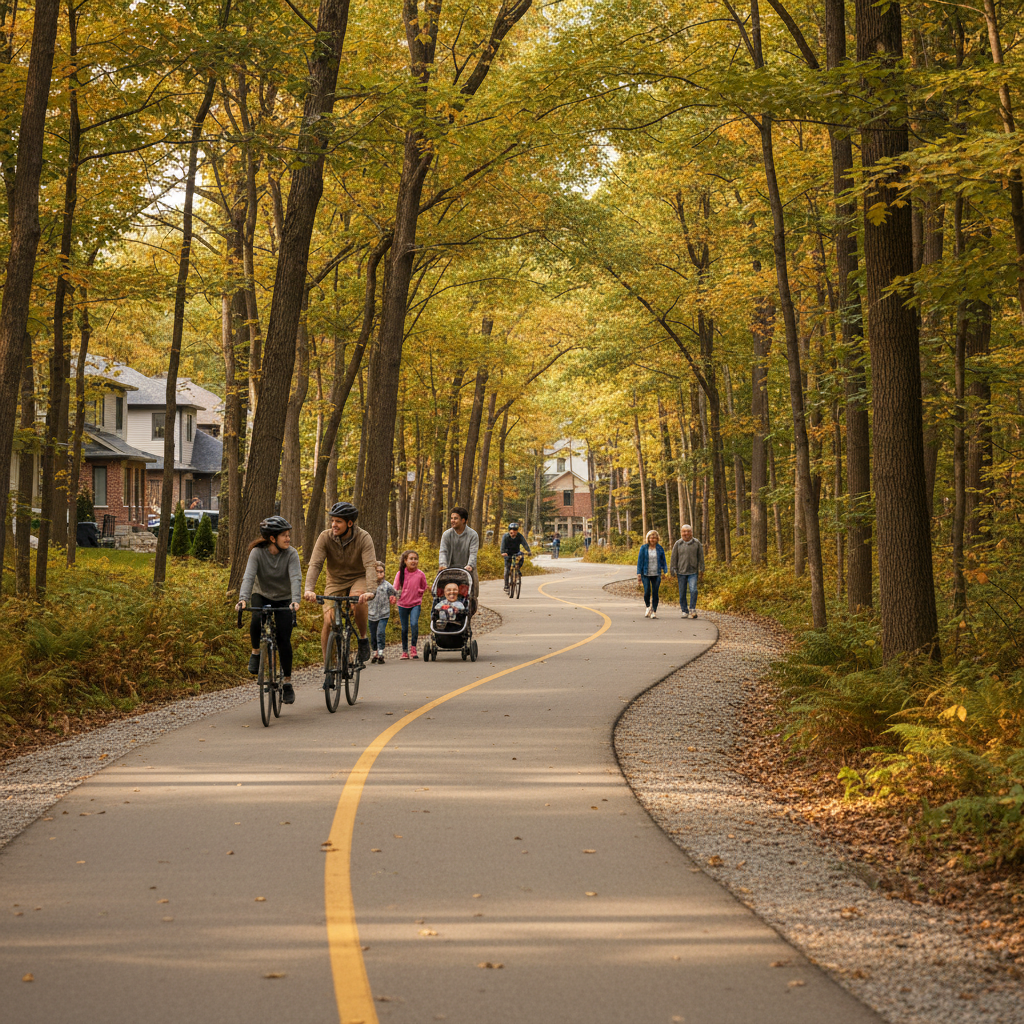
Parks and Trails
Ontario's parks and trail networks are more than recreation. They serve as everyday infrastructure for movement, social connection, and contact with nature, from urban rail trails to small-town boardwalks.
Articles
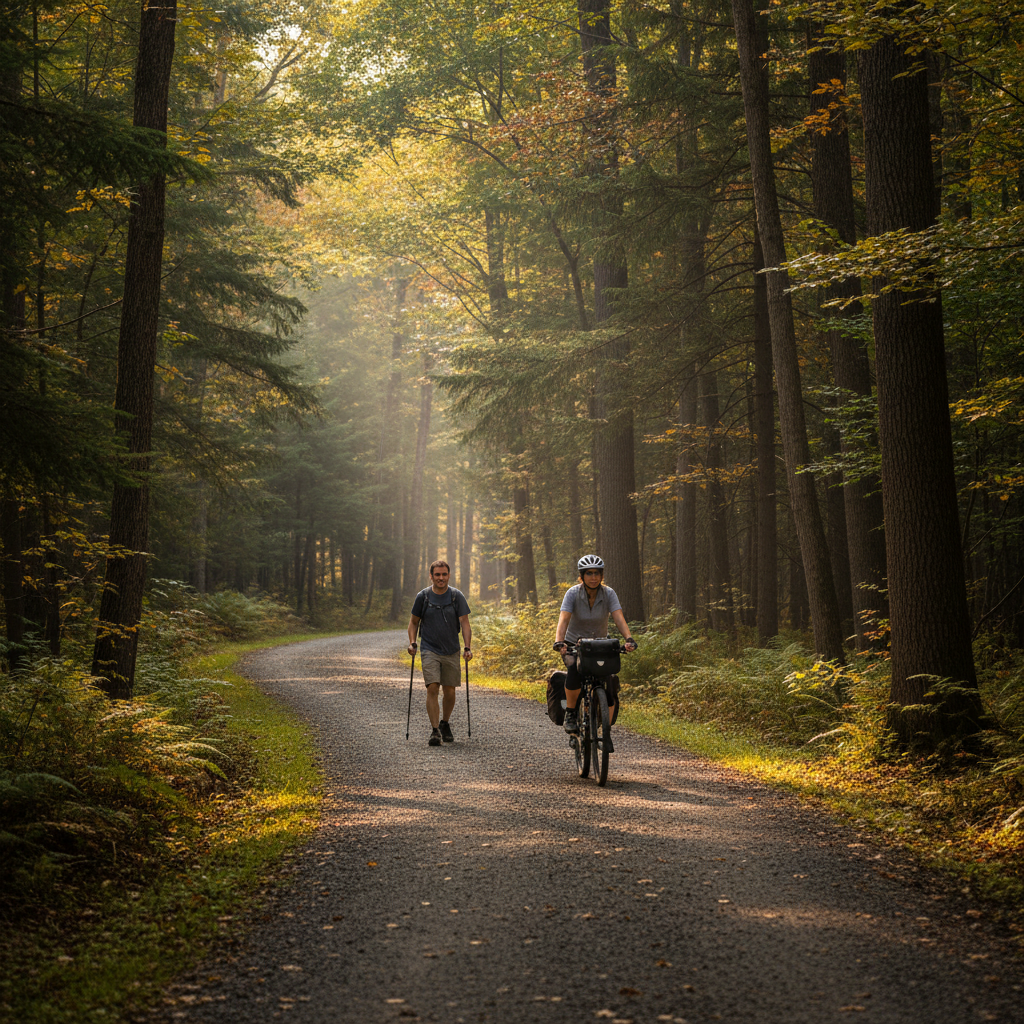
Parks and Trails as Everyday Infrastructure
Why parks and trails deserve the same planning attention as roads and utilities.
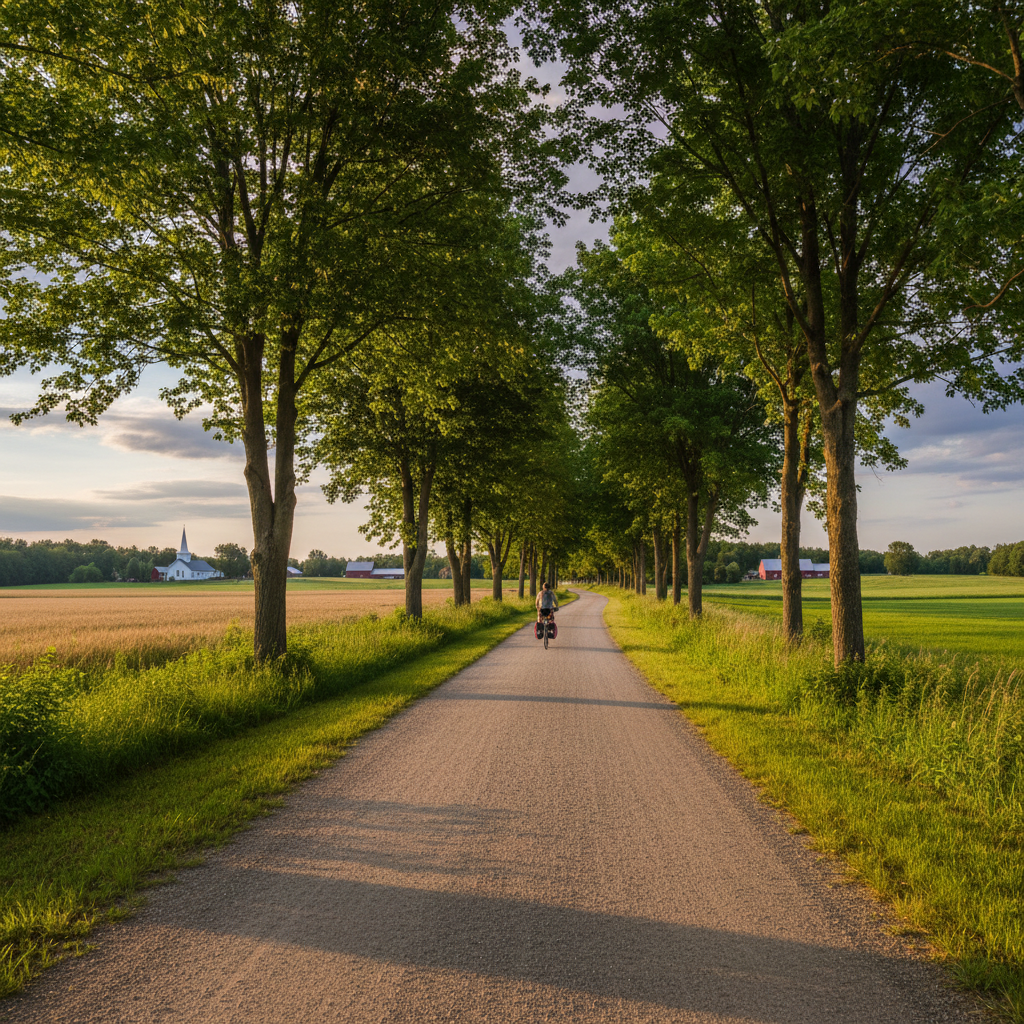
How Trails Support Health, Recreation, and Local Identity
Trails do more than connect places. They shape how communities see themselves.
Related Guides
Starting a Community Trail Group
How to organize volunteers, secure funding, and build local trail partnerships.
Inclusive Park Design for All Ages and Abilities
Design principles that make parks welcoming for everyone.
Related Case Studies
The Great Lakes Waterfront Trail
How a 3,600-kilometre trail connects communities along Ontario's shoreline.
Sudbury's Regreening Program
A decades-long landscape restoration that transformed a city and its trail network.
Parks and Trails as Community Infrastructure
Well-maintained parks and connected trail networks encourage physical activity, reduce car dependence, and create shared spaces where neighbours meet. In Ontario, trail systems like the Trans Canada Trail and the Waterfront Trail link hundreds of communities, while local parks serve as the everyday green spaces where residents walk, play, and rest.
This section covers how parks and trails function as essential infrastructure, what makes them effective, and how communities across Ontario are investing in outdoor spaces that serve everyone.