
Light Pollution and Community Health
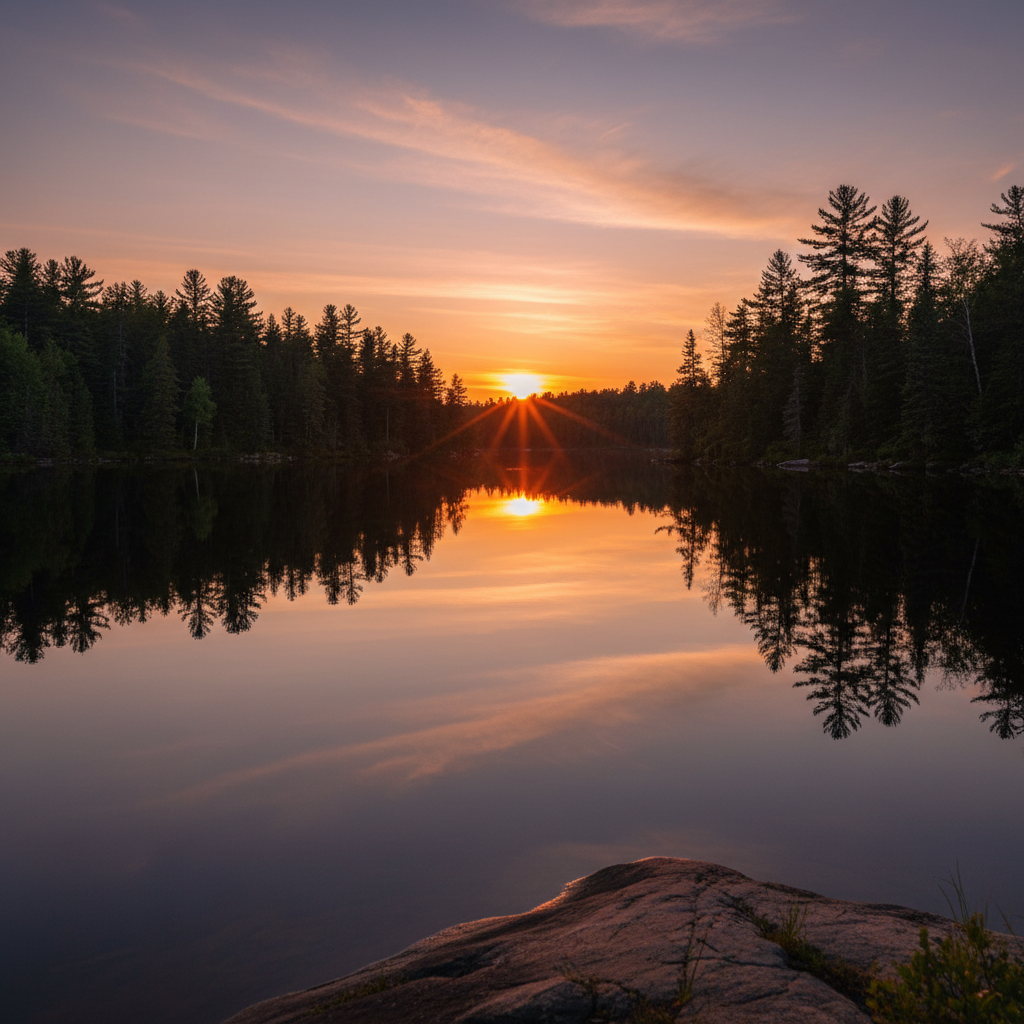
Light pollution is one of the fastest-growing forms of environmental change on the planet. Globally, the area affected by artificial light at night is expanding by roughly 2 percent per year. In Ontario, the glow of cities, suburbs, and even small towns has erased dark skies for millions of residents. For most people living in southern Ontario, the Milky Way is no longer visible from their backyard. But light pollution is not just an astronomical inconvenience. It affects human health, wildlife, energy consumption, and the character of communities in ways that are increasingly well documented.
The shift from older street lighting technologies to LED has brought both benefits and new challenges. LEDs are more energy-efficient and longer-lasting, but many early LED installations used cool-white light with a high blue content that is particularly disruptive to biological systems. Understanding these trade-offs is important for communities making lighting decisions that affect every resident.
How Light Affects Health
The human body runs on a roughly 24-hour cycle called the circadian rhythm. This internal clock regulates sleep, hormone production, metabolism, immune function, and mood. Light is the primary signal that keeps this clock synchronized with the day-night cycle. When darkness falls, the brain produces melatonin, a hormone that promotes sleep and has protective effects against several types of cancer. When the eyes detect light, particularly blue-rich light, melatonin production is suppressed.
Exposure to artificial light at night disrupts this system. Street lights shining into bedrooms, bright commercial signage, and the ambient glow of urban areas all contribute to light exposure during hours when the body expects darkness. Research published in the Journal of Clinical Endocrinology and Metabolism has shown that even modest levels of nighttime light exposure suppress melatonin production and delay sleep onset.
The health consequences of chronic circadian disruption are significant. Studies have linked nighttime light exposure to increased risk of breast cancer, prostate cancer, obesity, diabetes, depression, and cardiovascular disease. A 2022 study in the Proceedings of the National Academy of Sciences found that sleeping with even dim light (comparable to a streetlight shining through a window) increased heart rate and insulin resistance in healthy young adults compared to sleeping in darkness.
These findings do not mean that all outdoor lighting is harmful. They mean that how much light we produce, where it goes, and what colour it is all matter for community health. Lighting that is well designed, properly shielded, and used only where needed provides safety without the health costs of indiscriminate illumination.
Wildlife and Ecosystems
Artificial light at night affects virtually every category of wildlife. Migratory birds, which navigate partly by starlight, become disoriented by brightly lit buildings and communication towers. Millions of birds die each year in North America from collisions with illuminated structures. Ontario, which sits along the Mississippi and Atlantic flyways, is directly affected. Programs like the Fatal Light Awareness Program (FLAP) in Toronto have documented the scale of the problem and advocated for lights-out policies during migration seasons.
Insects are drawn to artificial lights and die in enormous numbers around them. Since insects are the food base for many birds, bats, and freshwater fish, this has cascading effects through ecosystems. Moth pollination, which is important for many native plant species, is disrupted when moths spend their energy circling lights instead of visiting flowers.
Aquatic ecosystems are also sensitive. Light shining on rivers, lakes, and wetlands can alter the behaviour of fish, amphibians, and aquatic invertebrates. In Ontario cottage country, lakeside lighting affects species that depend on dark conditions for feeding and reproduction. The health of these ecosystems connects directly to the water quality and biodiversity that communities value.
For communities that pride themselves on natural heritage and outdoor recreation, light pollution undermines the very assets that make these places attractive. A town surrounded by dark forests and clear lakes loses something tangible when the night sky disappears behind a wash of light.
The LED Transition
When Ontario municipalities began converting street lighting to LEDs, the primary motivation was energy savings, and the savings are real. LEDs use 40 to 60 percent less electricity than the high-pressure sodium lights they replace. But the colour temperature of the light matters. Early LED streetlights commonly used 4000K or 5000K colour temperatures, producing a bright, bluish-white light. This light has a high proportion of short-wavelength blue light, which is the most disruptive to melatonin production and the most attractive to insects.
The American Medical Association issued a recommendation in 2016 that communities use LED streetlights with a colour temperature no higher than 3000K, and preferably lower. Warmer LEDs (2700K to 3000K) produce a yellowish-white light that is less biologically disruptive while still providing excellent visibility. The energy savings are nearly identical, and the warmer light is generally perceived as more pleasant.
Some Ontario municipalities have taken this guidance seriously. Others installed cool-white LEDs before the health evidence was widely known and now face the question of whether to retrofit. For communities still in the process of converting, choosing warm-white LEDs (3000K or below) and fully shielded fixtures is an opportunity to improve both energy efficiency and nighttime environmental quality in a single investment.
Better Lighting, Not More Lighting
Good outdoor lighting follows five principles: it is useful, targeted, low-level, controlled, and warm-coloured. The International Dark-Sky Association provides detailed guidance and certifies fixtures and communities that meet these standards.
Shielding is the most important technical feature. A fully shielded fixture directs all light downward, where it is useful, rather than sideways and upward, where it creates glare, trespass, and skyglow. Unshielded lights, including the decorative acorn-style fixtures popular in many Ontario downtowns, send a substantial portion of their output horizontally and upward, contributing to light pollution without improving ground-level visibility.
Light levels should match the actual need. Parking lots, commercial areas, and residential streets have different lighting requirements, but all are commonly over-lit. A well-designed residential street needs far less light than most people assume. Studies show that uniform, glare-free lighting at modest levels provides better visibility than bright, uneven lighting that creates harsh shadows and dazzles the eyes.
Controls like timers, dimmers, and motion sensors allow lighting to be active only when needed. Street lights that dim after midnight, commercial signs that turn off at closing, and motion-activated security lights all reduce light pollution without compromising safety or function. Several Ontario municipalities have implemented dimming programs for street lights during late-night hours, saving energy and reducing environmental impact.
Dark Sky Communities in Ontario
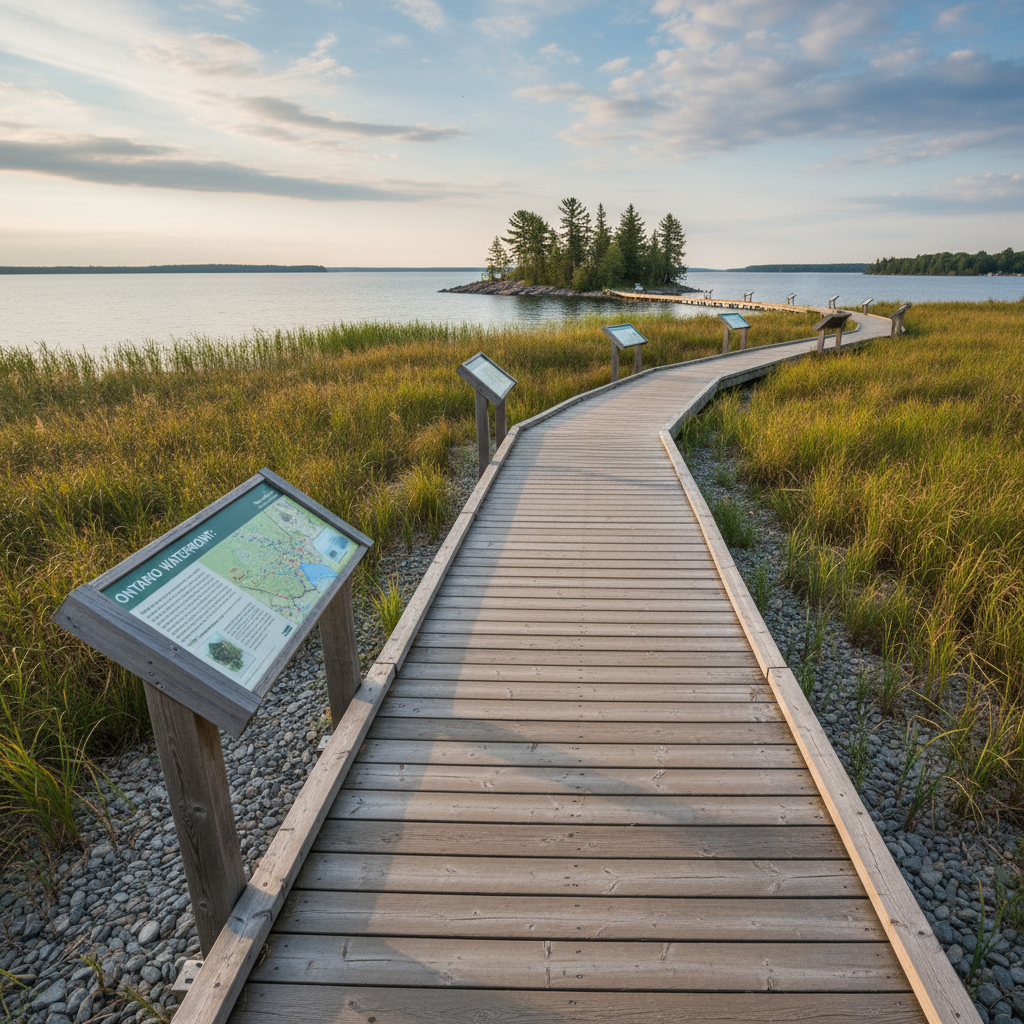
Several Ontario communities and parks have earned International Dark-Sky designation, recognizing their commitment to responsible lighting and dark sky preservation. Torrance Barrens Dark-Sky Preserve in Muskoka was one of the first permanent dark sky preserves in the world. The North Frontenac Dark Sky Preserve, the Lennox and Addington Dark Sky Viewing Area, and several other sites across the province offer places where the night sky remains genuinely dark.
These designations are not just about astronomy. They reflect a community decision to value the nighttime environment as a resource worth protecting. Communities that pursue dark sky status typically adopt lighting bylaws, retrofit public lighting to dark-sky-friendly standards, and engage residents and businesses in reducing unnecessary illumination. The process builds community awareness about lighting choices and often leads to broader conversations about environmental stewardship.
For small towns and rural communities in Ontario, dark skies can be a genuine asset. They support astrotourism, enhance the appeal of cottage country, and distinguish communities that value their natural environment. Preserving dark skies is compatible with safety, energy efficiency, and economic development when lighting is done thoughtfully.
What You Can Do
At the household level, simple changes make a difference. Replace unshielded outdoor fixtures with fully shielded, downward-facing alternatives. Use warm-white bulbs (2700K) for exterior lighting. Put outdoor lights on timers or motion sensors. Close blinds at night to reduce light escaping from windows. These steps improve your own sleep environment, reduce your energy costs, and contribute to a better nighttime environment for your neighbourhood.
At the community level, advocate for responsible lighting policies. When your municipality makes lighting decisions, ask about colour temperature, shielding, and dimming capabilities. Support dark sky friendly lighting standards in local bylaws. Raise the issue with your municipal council during budget discussions about street infrastructure.
The night sky is a shared resource. Protecting it does not require turning off all the lights. It requires using light purposefully, directing it where it is needed, and choosing technologies that serve human needs without disrupting the biological systems that depend on natural darkness. Ontario communities that get this balance right will be healthier, more energy-efficient, and more connected to the natural world that makes this province remarkable. That connection is part of what makes any community genuinely healthy.