
Healthy Streets
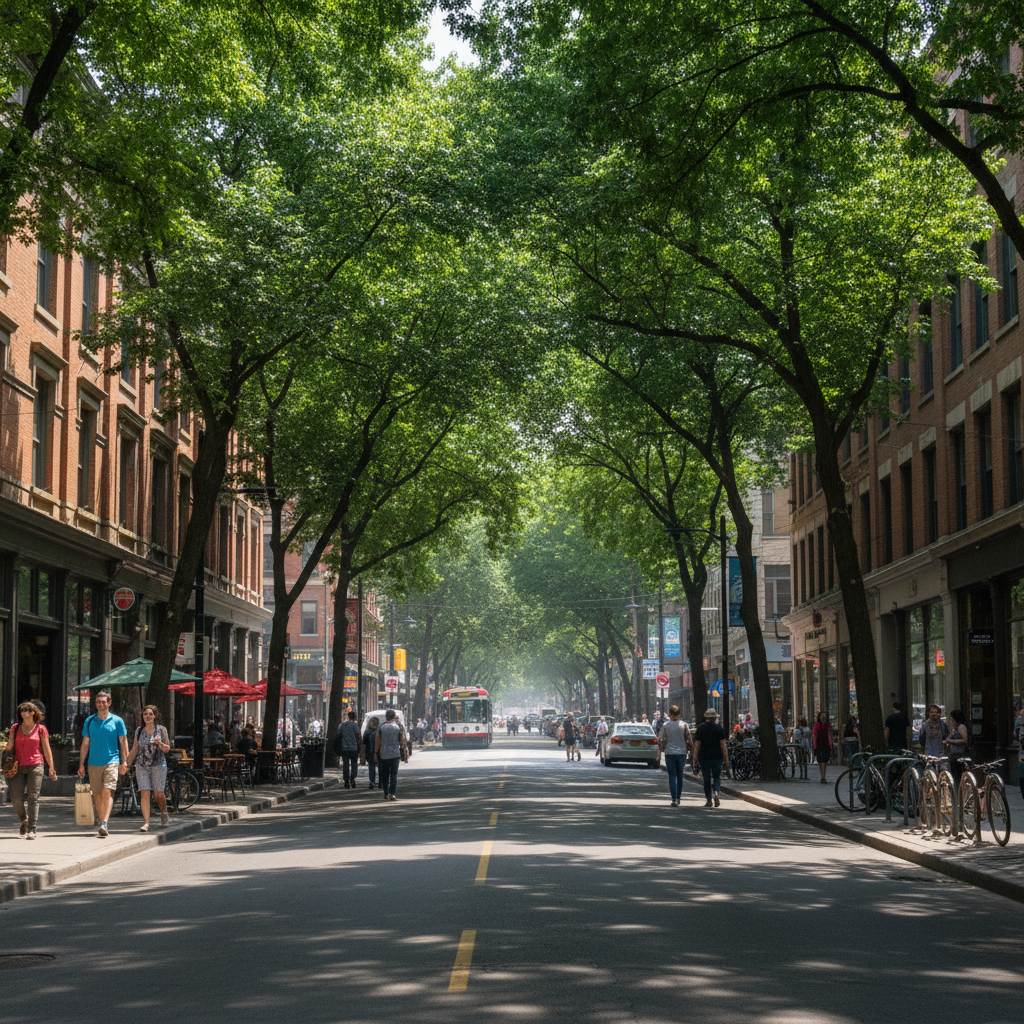
The streets you live on and walk along every day have a direct impact on your health. This is not an abstract idea. Research has documented clear, measurable relationships between street design and health outcomes including rates of physical activity, respiratory health, cardiovascular health, mental health, and injury risk. In Ontario, where most people live in communities built primarily around car travel, the design of streets is one of the most important and most overlooked factors in community health.
Start with air quality. If you live near a major highway or busy arterial road, the air you breathe is measurably different from the air a few hundred metres away. Vehicle emissions create a gradient of pollutants that affects health most strongly within 150 to 300 metres of heavy traffic. In Ontario, this is relevant for anyone living near the 400-series highways, busy regional roads, or major urban arterials. The health effects are well documented: increased rates of asthma, cardiovascular disease, and certain cancers in populations living closest to heavy traffic.
Noise is closely related to traffic exposure but deserves separate attention. Chronic noise exposure from traffic does not just annoy people. It disrupts sleep, raises stress hormones, and is associated with increased cardiovascular risk. The World Health Organization considers environmental noise one of the top environmental health risks in Europe, and the situation in North American communities is similar. In Ontario, noise bylaws and provincial guidelines provide some protection, but enforcement varies and the guidelines do not always prevent new residential development near major noise sources.
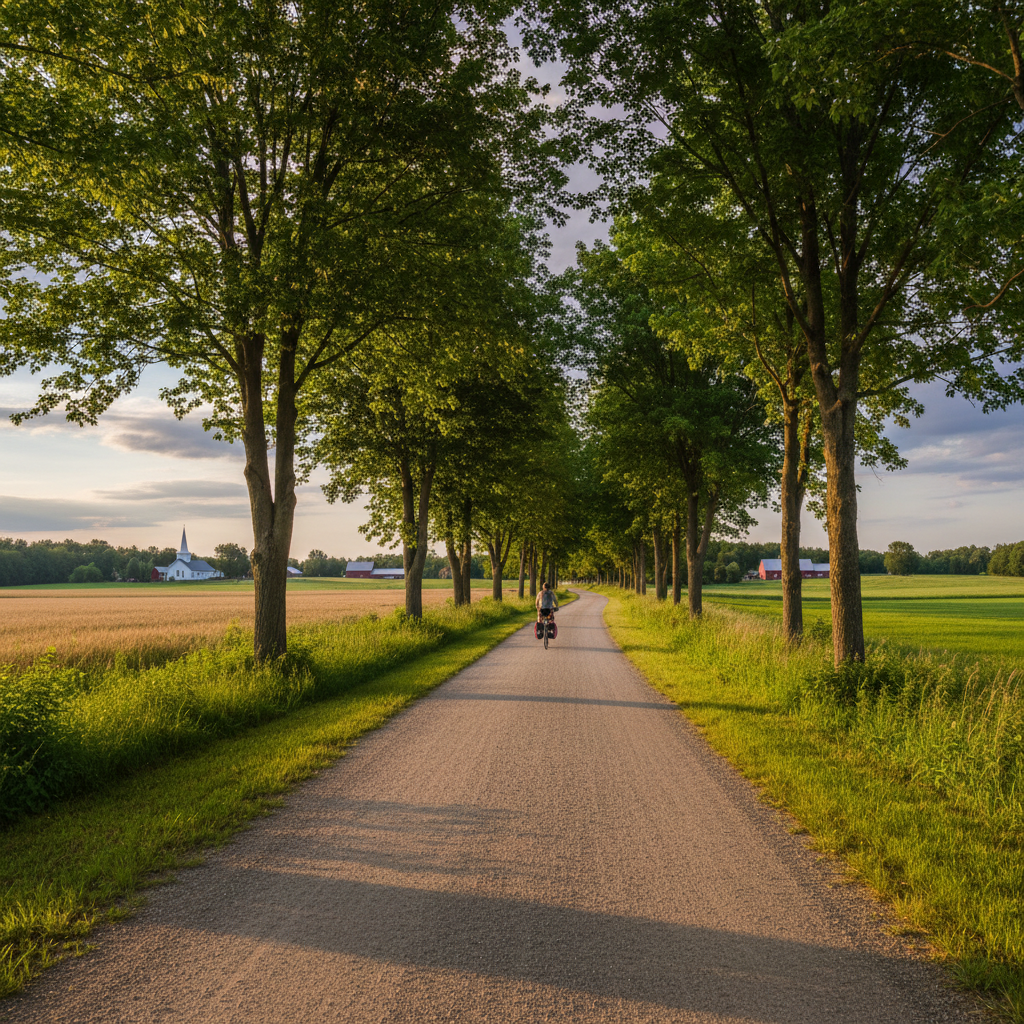
Heat islands are a growing concern in Ontario's warming climate. Streets and neighbourhoods with extensive pavement, little tree cover, and dark roofing materials can be several degrees hotter than nearby areas with mature trees and green space. During summer heat events, this temperature difference is not trivial. It affects comfort, energy costs, air quality (heat accelerates ground-level ozone formation), and health risk, particularly for seniors and people with chronic conditions. Tree canopy is the single most effective mitigation measure, providing shade that reduces surface temperatures by 10 to 15 degrees Celsius on hot days.
Walkability scores have become a common shorthand for evaluating how pedestrian-friendly a community is, and they capture some useful information. But standard walkability scores miss critical details that matter for daily life. They do not account for sidewalk condition, the presence or absence of shade, winter maintenance, the actual experience of crossing busy intersections, or whether the routes to destinations feel safe and comfortable. A neighbourhood can score well on walkability metrics while still being unpleasant or unsafe to walk in.
Shade and sidewalk quality are particularly important in Ontario, where the climate demands that streets work in all four seasons. Summer heat and winter ice are both more manageable on streets with good tree canopy and well-maintained sidewalks. Shade matters for summer comfort and UV protection. Sidewalk width, surface condition, and connectivity matter year-round. Whether a municipality actively maintains sidewalks in winter, or leaves it to individual property owners, makes a significant practical difference.
Cycling infrastructure in Ontario has improved significantly in some communities and barely changed in others. Protected bike lanes, multi-use trails, and connected cycling networks are appearing in more municipalities, but progress is uneven. For people who want to cycle for transportation rather than just recreation, the quality of cycling infrastructure affects safety, convenience, and willingness to ride. The difference between a painted bike lane on a busy road and a separated trail or protected lane is substantial.
The articles in this section dig into these topics with Ontario-specific data, practical advice, and information you can use to evaluate the streets in your own community. Whether you are choosing a neighbourhood, advocating for local improvements, or simply trying to understand why your street feels the way it does, you will find relevant information here.