
Heat Islands in Ontario Towns: Causes, Health Effects, and Solutions
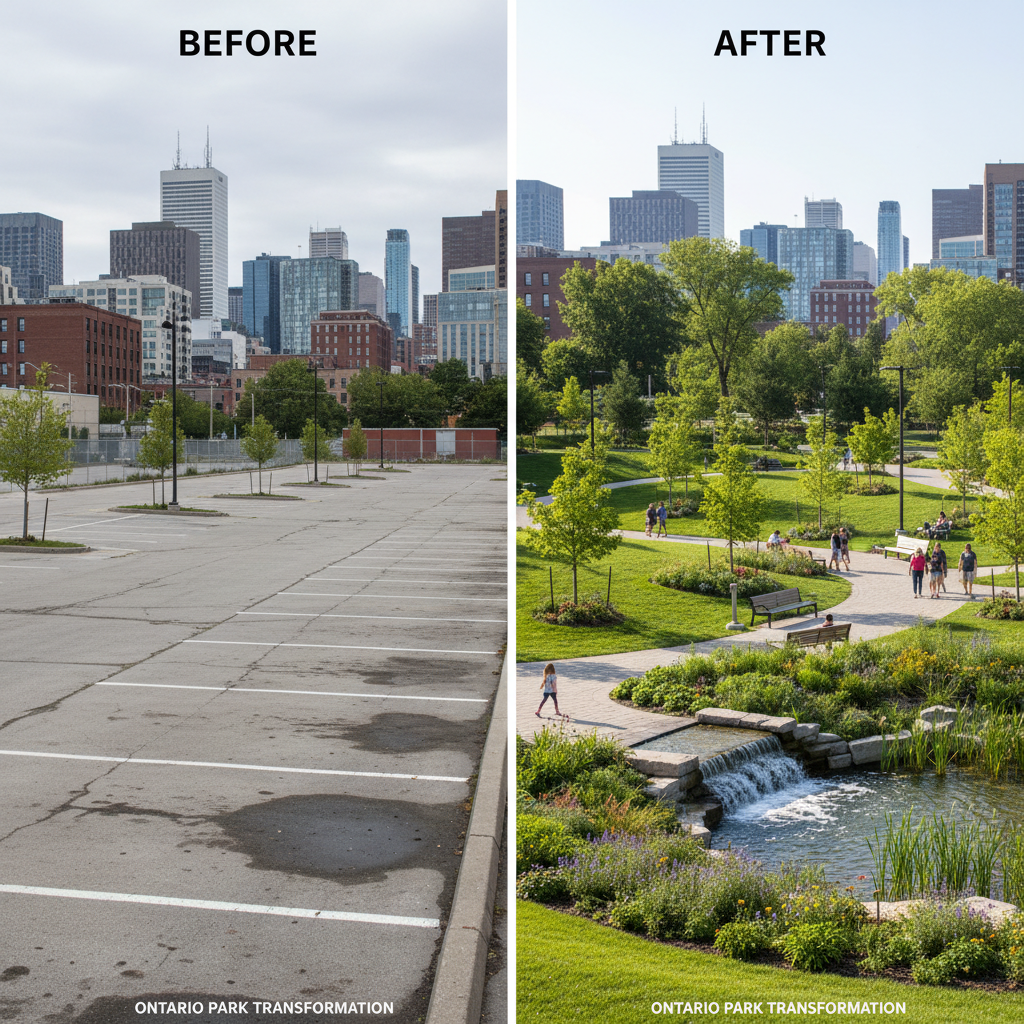
The urban heat island effect is not just a big-city phenomenon. Ontario's smaller towns, suburbs, and growing communities are increasingly experiencing localized heat buildup that makes some neighbourhoods significantly hotter than others. On a summer afternoon, the difference between a tree-shaded residential street and a nearby commercial strip surrounded by parking lots can easily reach 5 to 10 degrees Celsius. That temperature gap has direct consequences for health, energy costs, water demand, and quality of life.
What Causes Heat Islands
Heat islands form when natural land cover is replaced with materials that absorb and retain heat. Dark asphalt, concrete, brick, and roofing materials all absorb solar radiation during the day and release it slowly through the evening and night. In natural landscapes, vegetation and soil absorb sunlight and use the energy for photosynthesis and evapotranspiration, cooling the air in the process. When those natural surfaces are replaced with buildings and pavement, the cooling mechanism disappears and heat accumulates.
Several factors determine how severe a heat island becomes in a given area:
- Surface materials. Dark-coloured asphalt and conventional roofing absorb up to 95 percent of incoming solar radiation. A large parking lot can have surface temperatures exceeding 60 degrees Celsius on a sunny July day.
- Tree canopy coverage. Areas with less than 15 percent tree canopy lack the shade and evapotranspiration needed to counteract heat absorption. Areas with 30 percent or more canopy are measurably cooler.
- Building density and geometry. Closely spaced buildings trap heat between them and reduce airflow. Commercial and industrial areas with large flat roofs and minimal landscaping are particularly prone to heat buildup.
- Waste heat. Air conditioning units, vehicles, and industrial processes all release heat into the surrounding air, adding to the ambient temperature.
- Lack of water features. Bodies of water and irrigated green spaces provide evaporative cooling. Their absence concentrates heat.
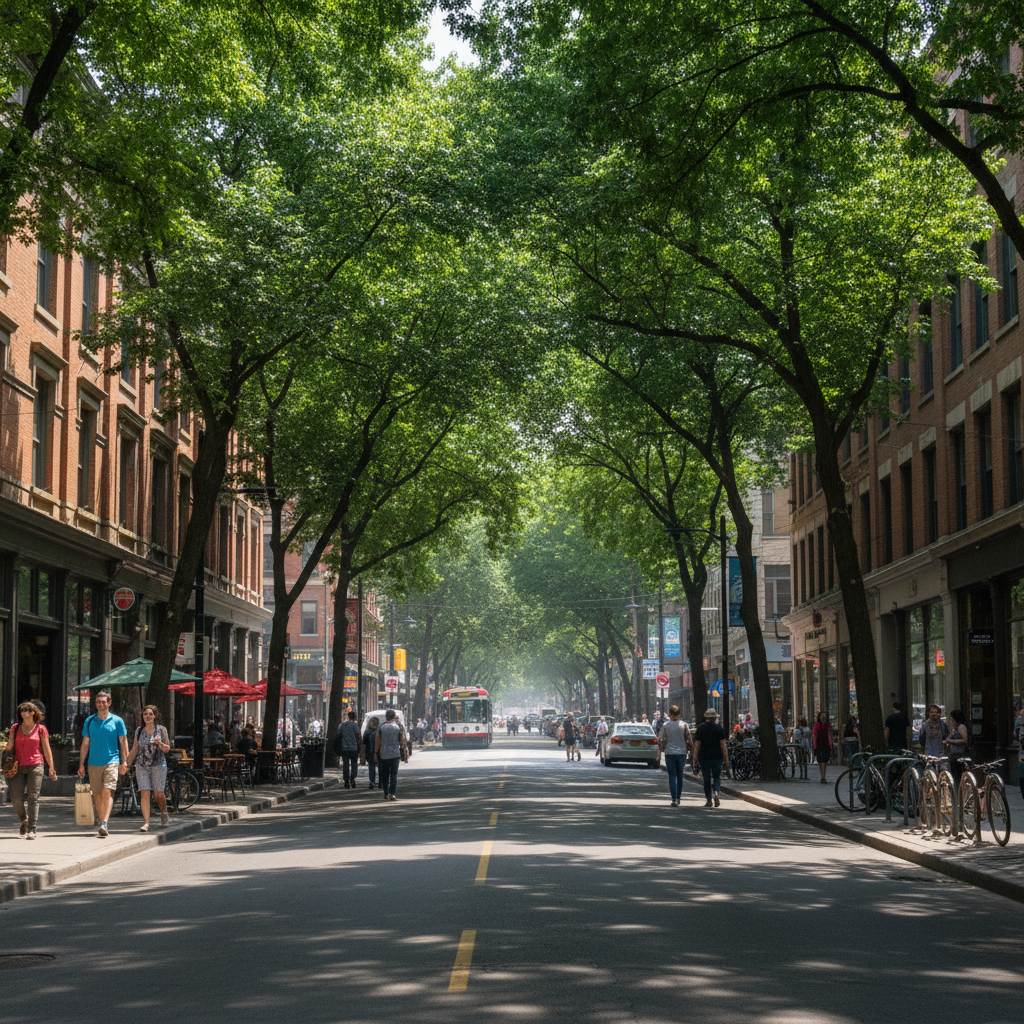
In Ontario's smaller communities, the heat island pattern often follows a recognizable geography. Downtown commercial cores with older buildings and limited tree cover run hot. Highway commercial strips with big-box stores and expansive parking lots are among the hottest areas. Older residential neighbourhoods with mature tree canopy stay cooler. New subdivisions, where trees were recently planted and canopy has not yet developed, fall somewhere in between.
Health Effects of Excessive Heat
Heat is the deadliest weather-related hazard in Canada. According to Health Canada, extreme heat events cause more deaths annually than any other natural disaster. The health effects range from immediate dangers to chronic impacts that accumulate over time.
Heat-related illness including heat exhaustion and heat stroke is the most acute risk. Symptoms include heavy sweating, weakness, nausea, dizziness, and confusion. Heat stroke, where body temperature exceeds 40 degrees Celsius, is a medical emergency that can be fatal without rapid treatment. Ontario's public health units issue heat warnings with increasing frequency, and emergency department visits for heat-related illness spike during extended hot periods.
Cardiovascular and respiratory stress intensifies during heat events. The body works harder to cool itself through increased heart rate and blood flow to the skin. For people with existing heart conditions, this additional strain can trigger cardiac events. High temperatures also worsen air quality by accelerating the formation of ground-level ozone, a respiratory irritant that exacerbates asthma and chronic obstructive pulmonary disease.
Sleep disruption occurs when nighttime temperatures remain elevated. Heat islands are especially problematic at night because the heat stored in buildings and pavement during the day continues radiating after sunset. When overnight lows stay above 20 degrees Celsius, many people without air conditioning cannot sleep comfortably. Chronic sleep loss affects immune function, mental health, and cognitive performance.
Vulnerable populations bear a disproportionate burden. Seniors, especially those living alone, are at highest risk for heat-related mortality. Infants and young children overheat quickly. People taking certain medications, including diuretics, beta-blockers, and antidepressants, have impaired thermoregulation. Low-income residents who cannot afford air conditioning or the electricity to run it face the greatest exposure with the fewest resources to cope.
Mapping Heat in Your Community
You do not need satellite imagery to identify heat islands in your area, though it helps. On a hot summer day, pay attention to how temperature varies as you move through town. Walk from a tree-shaded park to a shopping centre parking lot and feel the difference. Notice which streets feel oppressive and which feel tolerable. The areas that are hardest to walk through in July are the ones with the most intense heat buildup.
Some Ontario municipalities have commissioned thermal mapping studies that use airborne sensors to create detailed heat maps showing surface temperature variation across the community. If your municipality has done this, the maps are typically available through the planning department or on the municipal website. They provide a clear visual of where heat concentrates and where cooling is most needed.
Even without formal mapping, you can use freely available satellite imagery from services like Google Earth to visually compare the ratio of tree canopy, green space, and hard surface across different parts of your community. The correlation between visible pavement and heat intensity is remarkably consistent.
Cooling Strategies for Ontario Communities
Tree planting is the most impactful long-term cooling strategy. Trees deliver shade and evapotranspiration that no engineered solution can fully replicate. Municipalities that set canopy coverage targets and fund sustained planting programs will see measurable cooling over time. The key is strategic placement: prioritize streets, parking lots, and public spaces where people spend time outdoors, and focus on areas where vulnerable populations live.
Cool and reflective surfaces reduce heat absorption. Light-coloured or reflective roofing materials, cool pavement coatings, and high-albedo building materials can significantly reduce surface temperatures. Some Ontario municipalities have begun incorporating cool roof requirements into their building codes or incentive programs.
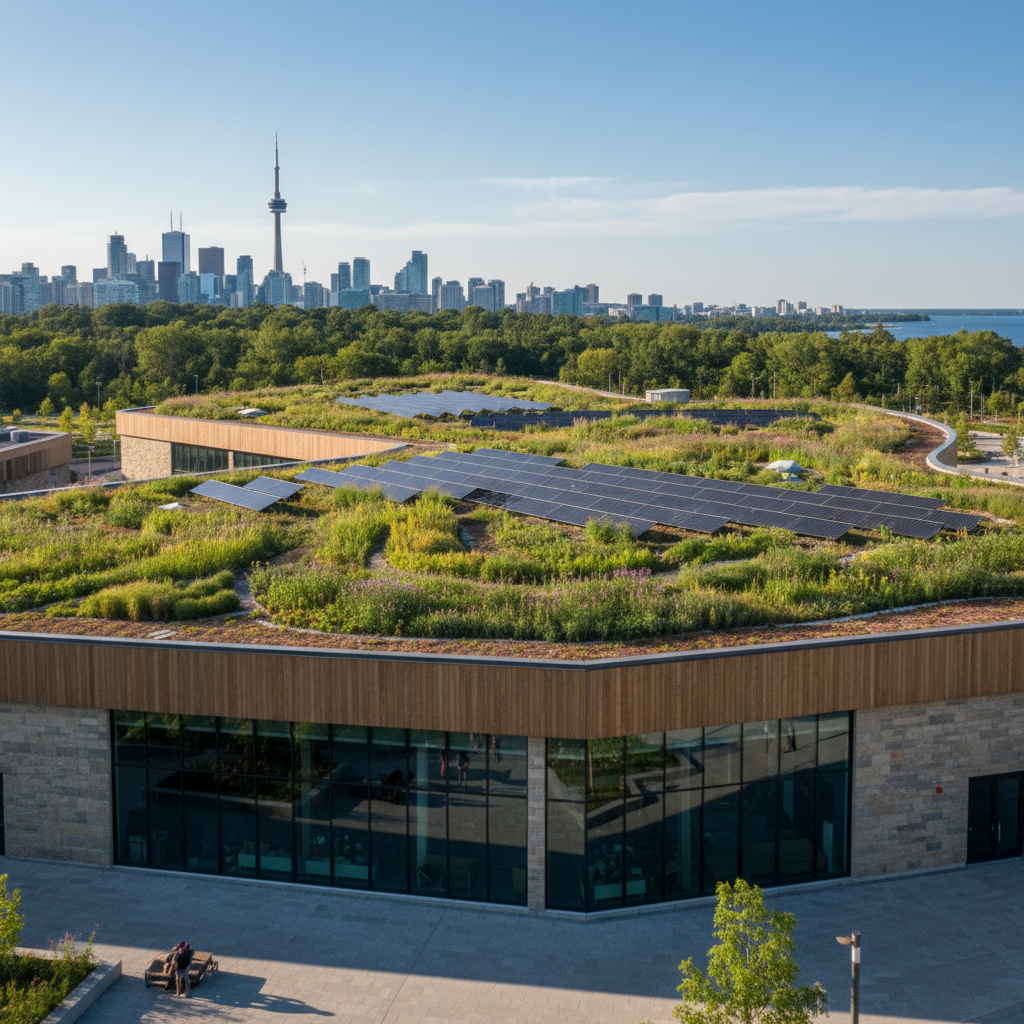
Green roofs and walls combine vegetation with building surfaces to provide shade, evapotranspiration, and insulation. Green roofs also manage stormwater, creating a dual benefit that connects heat mitigation with stormwater management priorities.
Water features and misting provide localized cooling in public spaces. Splash pads, fountains, and misting stations in parks and commercial areas offer relief during heat events. Many Ontario municipalities have installed splash pads as part of park upgrades, and these become essential cooling infrastructure during heat waves.
Reducing paved areas addresses the root cause. Converting underused parking lots to green space, narrowing oversized roads, and requiring permeable surfaces in new development all reduce the total heat-absorbing surface area. These changes also reduce stormwater runoff, creating multiple infrastructure benefits from a single intervention.
Planning and Policy Tools
Ontario municipalities have several policy tools available to address heat islands. Official plans can include policies that require minimum tree canopy coverage, mandate shade structures in commercial areas, and set targets for reducing impervious surface. Site plan control allows municipalities to require specific landscaping, tree planting, and surface materials as conditions of development approval.
Some municipalities have adopted heat vulnerability assessments that identify the areas and populations most at risk during heat events. These assessments can guide the allocation of cooling infrastructure investments to the places where they will have the greatest health impact.
At the building level, Ontario's Building Code sets minimum energy efficiency standards, but municipalities can encourage or require measures beyond code minimums through green building incentive programs. Homes and buildings that are well-insulated, equipped with efficient air conditioning, and designed to minimize solar heat gain are more resilient during heat events and less dependent on energy-intensive cooling.
What Residents Can Do
Property owners contribute to or counteract local heat islands through their landscaping and surface choices. Planting shade trees, particularly on the south and west sides of buildings where afternoon sun hits hardest, reduces both outdoor temperatures and indoor cooling costs. Replacing dark driveway surfaces with lighter materials or permeable pavers helps. Maintaining healthy vegetation reduces heat and adds to the neighbourhood's overall cooling capacity.
During heat events, checking on vulnerable neighbours, especially seniors living alone, can prevent heat-related emergencies. Knowing the location of cooling centres in your community and sharing that information helps those who need it most. Advocating for municipal investment in tree planting, park shade structures, and heat vulnerability planning makes your community more resilient over time.
When evaluating a community before moving, visit during the summer and walk through different areas. The heat you feel on a July afternoon is a direct indicator of the neighbourhood's thermal environment and the investment (or lack of investment) that has been made in keeping it livable.