
Healthy Communities
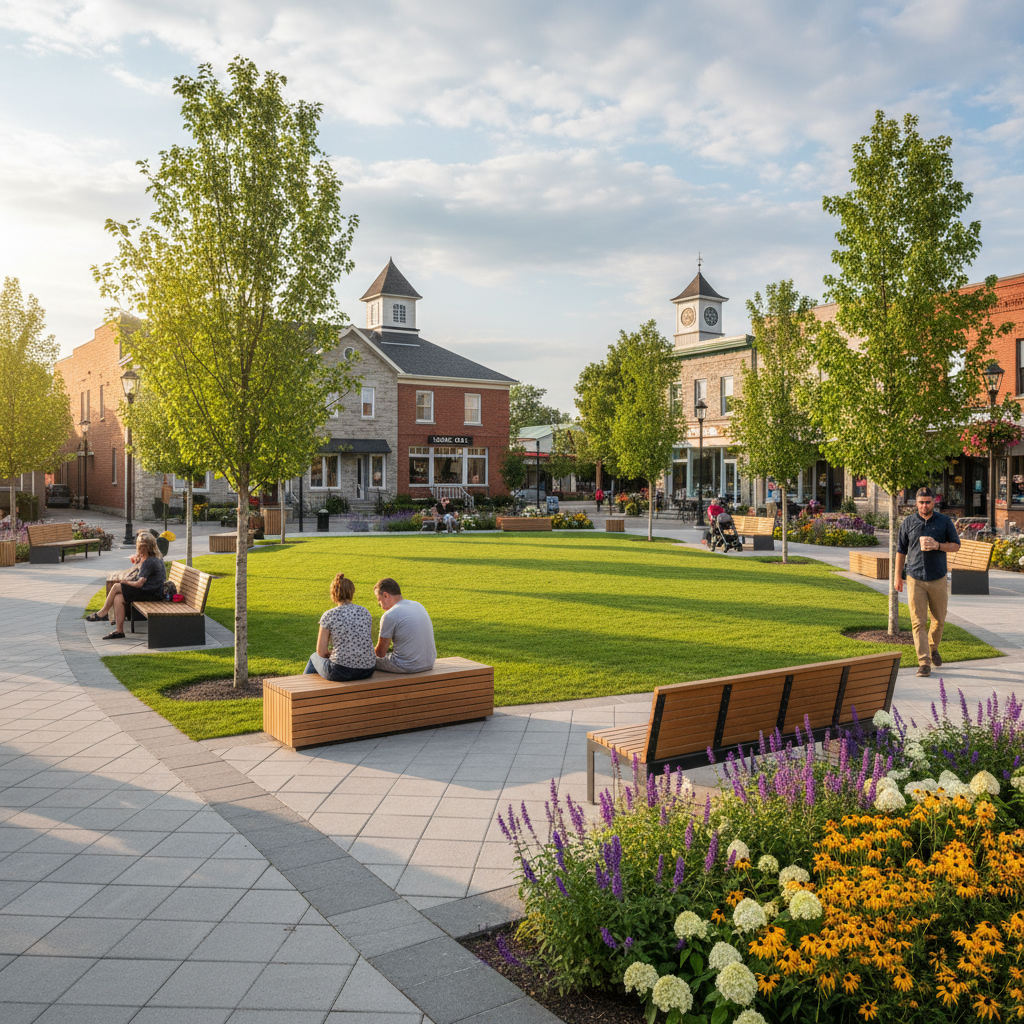
The idea of a "healthy community" goes well beyond the absence of pollution or contamination. It includes the design of neighbourhoods, the accessibility of green space, the quality of local water and air, the noise environment, and the degree to which daily life supports physical activity and social connection. In Ontario, these factors vary enormously from one municipality to the next, and even from one neighbourhood to another within the same town.
Research consistently shows that the built environment has measurable effects on health outcomes. People who live in walkable neighbourhoods with accessible parks tend to be more physically active. Residents with mature tree canopy on their streets experience lower summer temperatures and better air quality. Communities with well-maintained infrastructure, reliable drinking water, and effective stormwater management avoid many of the environmental health problems that affect less well-served areas.
Ontario is in many ways well-positioned on these measures. The province has strong drinking water regulations, an extensive network of conservation authorities, and many municipalities that take tree protection and green space planning seriously. But not every community delivers equally on these fronts. Newer subdivisions may lack mature trees. Some municipalities have aging water infrastructure. Rapid growth in certain areas has outpaced the infrastructure needed to support it.
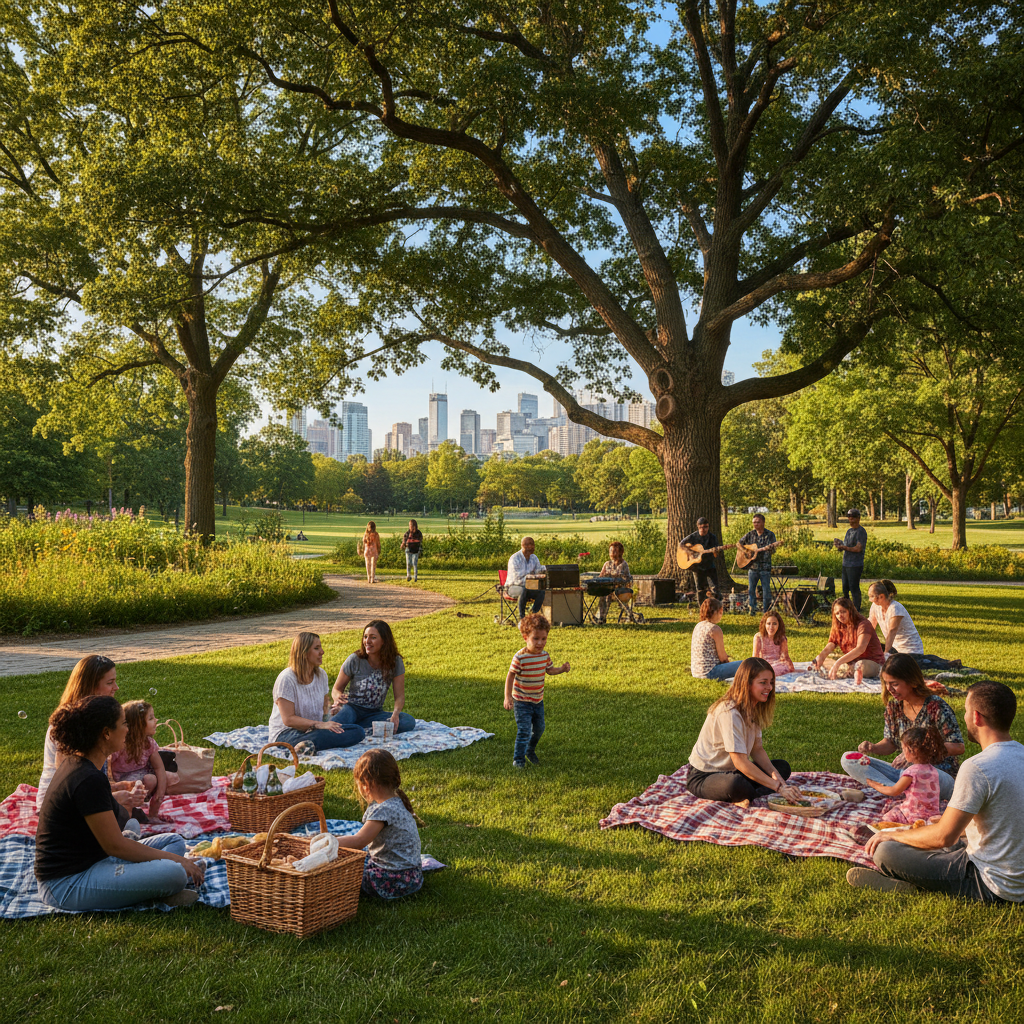
Understanding what makes a community healthy starts with knowing what to look for. Green space is important, but not all green space is equally useful. A large park across a busy highway is less valuable for daily health than a small neighbourhood park you can walk to safely. Walkability matters, but the standard walkability scores you find online miss important factors like sidewalk condition, shade, and winter maintenance. Air quality is a consideration everywhere, but it is especially important near highways, industrial areas, and regions affected by wildfire smoke.
Water quality is something most Ontario residents take for granted, and in most cases they are right to do so. Ontario's municipal drinking water systems are among the most rigorously tested in North America. But the picture is more complicated for residents on private wells, and stormwater management is a growing challenge as climate change increases the intensity of rainfall events. Basement flooding, once a rare problem in most Ontario communities, is becoming more common.
Trees deserve their own mention because their contribution to community health is so broad. Urban trees reduce summer temperatures, filter particulate matter from the air, absorb stormwater, reduce noise, and provide the kind of green, shaded environment that encourages people to walk and spend time outdoors. Neighbourhoods with mature tree canopy consistently show better health outcomes and higher property values. Yet trees take decades to grow, and many Ontario communities lost significant canopy to emerald ash borer and other threats in recent years.
Community gardens are another often-overlooked health asset. They provide fresh food, physical activity, social interaction, and a connection to the local environment. Many Ontario municipalities support community garden programs, and the benefits extend well beyond the gardens themselves into the broader neighbourhood.
The articles in this section explore these topics in detail. Whether you are evaluating a community you might move to, looking to understand the health factors in your current neighbourhood, or simply interested in what the research says about environment and wellbeing, you will find practical, Ontario-specific information here.