
What Makes a Community Healthy? Core Elements That Shape Daily Life
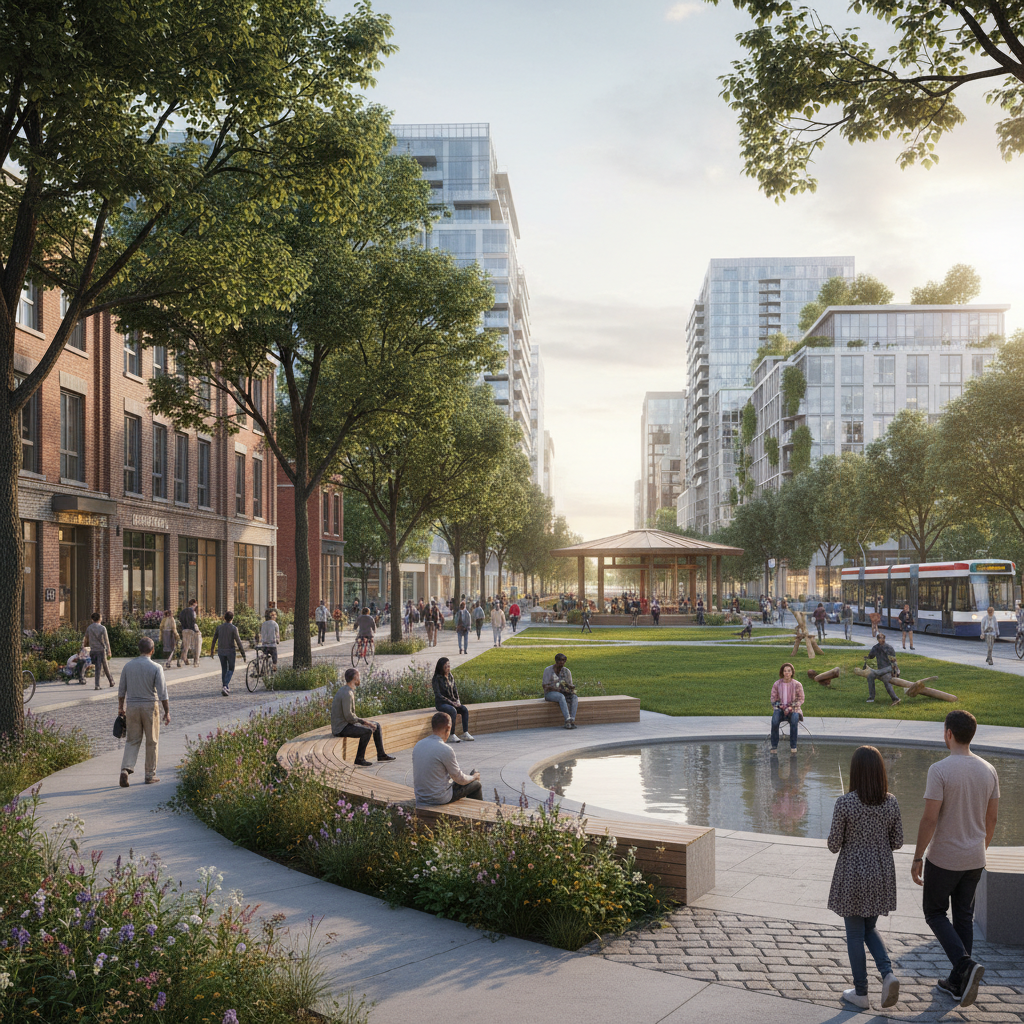
When people talk about healthy communities, they often focus on hospitals and doctors' offices. But the places where we live, work, and spend time outdoors have a far bigger influence on long-term health than most residents realize. In Ontario, the intersection of infrastructure planning, natural systems, and social connection determines whether a neighbourhood supports wellbeing or quietly undermines it.
Understanding the building blocks of a healthy community can help you make better decisions about where to live, how to advocate for local improvements, and what to look for when evaluating a new area before a move.
Clean Air as a Foundation
Air quality is one of the most significant environmental factors affecting daily health. In Ontario, air pollution contributes to thousands of premature deaths each year, according to data from Health Canada. Communities located near major highways, industrial zones, or areas with heavy truck traffic tend to have worse outcomes for respiratory and cardiovascular conditions.
A healthy community manages air quality through several mechanisms. Tree canopy cover helps filter particulate matter. Separation between residential areas and major traffic corridors reduces exposure to vehicle emissions. Green buffers along roadways serve as a practical line of defense that many municipalities are beginning to adopt in their official plans.
If you are comparing neighbourhoods, checking Ontario's Air Quality Health Index (AQHI) readings for different stations can provide a useful snapshot. The data is available through the provincial government and is updated hourly during warmer months.
Safe and Accessible Water
Access to clean drinking water sounds basic, but the reality across Ontario is more complex than many people assume. Municipal water systems in larger towns and cities are generally well monitored and regulated under the Safe Drinking Water Act. However, residents on private wells, particularly in rural parts of the province, carry the full responsibility for testing and maintenance.

Beyond drinking water, healthy communities also manage stormwater effectively. Neighbourhoods that flood repeatedly during heavy rain events face not just property damage but also risks from mould, contaminated runoff, and standing water that becomes a breeding ground for insects. The way a community handles stormwater design reveals a great deal about the long-term thinking behind its planning.
Walkability and Active Transportation
The ability to walk safely to schools, shops, parks, and transit stops is one of the strongest predictors of community health. Research from the Canadian Institute for Health Information has consistently shown that residents of walkable neighbourhoods are more physically active, have lower rates of obesity, and report better mental health.
In Ontario, walkability varies enormously. Older town centres with grid-pattern streets and mixed-use zoning tend to score well. Newer subdivisions built around cul-de-sacs and wide arterial roads often force residents into cars for even short trips. The presence of sidewalks, shade trees, and traffic calming makes a measurable difference in whether people actually choose to walk.
Winter conditions add another layer. A community that plows sidewalks promptly and maintains safe pedestrian crossings through the cold months demonstrates a genuine commitment to walkability, not just a fair-weather one.
Green Space and Nature Access
Parks, trails, community gardens, and natural areas are not just amenities. They are public health infrastructure. Studies published in journals like Environmental Health Perspectives have documented the link between proximity to green space and reduced stress, lower blood pressure, and improved mental health outcomes.

In Ontario, the Conservation Authorities manage large tracts of natural land that serve as both recreational and ecological resources. At the neighbourhood level, the quality of green space matters as much as the quantity. A well-maintained park with mature trees, seating, and safe lighting will see far more use than an empty lot of mowed grass beside a busy road.
Families with children benefit especially from accessible green space. Play areas, nature trails, and spaces for unstructured outdoor time all contribute to physical development and emotional resilience in young people.
Social Infrastructure and Connection
Healthy communities are not defined only by their physical environment. The social fabric matters tremendously. Places that encourage casual interaction, whether through front porches, community centres, local markets, or shared public spaces, tend to have stronger social networks. Those networks, in turn, support mental health, reduce isolation among seniors, and build the kind of mutual aid that helps residents weather difficult times.
Libraries, recreation centres, farmers' markets, and volunteer organizations all serve as connective tissue. In smaller Ontario towns, these institutions often play an outsized role because there are fewer alternatives. A walkable small town with a strong social core can offer health benefits that rival or exceed those of a wealthier suburb that lacks gathering places.
Environmental Hazards and Transparency
No community is completely free of environmental risk. What separates healthy communities from less healthy ones is how openly those risks are communicated and how proactively they are managed. Municipal websites that post water quality reports, air monitoring data, and land-use planning documents give residents the tools to understand and respond to local conditions.
In Ontario, public health units publish annual reports that cover everything from vector-borne disease tracking to inspection results for local food establishments. The Ontario Ministry of the Environment, Conservation and Parks maintains a public registry where residents can look up environmental compliance orders and approvals in their area.
Transparency is a form of public health protection. Communities where information flows freely tend to resolve problems faster and maintain higher standards over time.
Noise, Light, and Sensory Environment
Chronic noise exposure is an underappreciated health risk. Prolonged exposure to traffic noise, industrial sound, and even poorly managed nightlife corridors has been linked to elevated cortisol levels, sleep disruption, and cardiovascular stress. Healthy communities enforce noise bylaws, use sound barriers where necessary, and design residential areas with acoustic comfort in mind.
Light pollution is a related concern. Excessive artificial light at night disrupts circadian rhythms and has been connected to sleep disorders and other health effects. Thoughtful street lighting design, which illuminates sidewalks without flooding bedroom windows, is a hallmark of a well-planned neighbourhood.
Putting It All Together
A healthy community is not defined by any single feature. It is the combination of clean air, safe water, walkable streets, accessible green space, social connection, and transparent governance that creates an environment where residents can thrive. Some of these factors are easy to observe during a visit. Others require a bit of research.
If you are assessing a neighbourhood, start with what you can see and feel. Walk the streets at different times of day. Talk to residents. Then dig into the data: water reports, air quality indices, planning documents, and public health records. The effort pays off in years of better living.
For a structured approach, our healthy community checklist for homebuyers offers a practical framework you can use during your search.