
Pesticide Bylaws in Ontario Communities

If you have ever walked through an Ontario neighbourhood in late spring and noticed small signs on lawns warning about recent pesticide applications, you have seen one side of a long-running debate. Ontario was one of the first provinces in Canada to restrict the cosmetic use of pesticides, and the rules affect homeowners, landscaping companies, and municipalities alike. Understanding what is actually banned, what is still permitted, and how the rules vary by community can help you make better decisions about your own property and the neighbourhood around you.
The Provincial Ban: What Ontario's Cosmetic Pesticides Act Covers
In 2009, Ontario implemented the Cosmetic Pesticides Ban Act, which prohibits the use of most chemical pesticides for purely aesthetic purposes on lawns and gardens. The legislation was driven by public health concerns, particularly around children's exposure to herbicides and insecticides applied to residential properties. The ban applies province-wide and covers more than 250 pesticide products.
Under the provincial rules, you cannot use banned pesticides to keep your lawn weed-free or to treat cosmetic issues in ornamental gardens. However, the ban includes several important exceptions. Pesticides used for health and safety reasons, such as controlling wasps near a doorway or treating a poison ivy infestation in a high-traffic area, are still allowed. Agricultural use is exempt, as are golf courses (under a managed phase-out program) and certain specialty turf applications.
Products containing certain lower-risk active ingredients, including iron-based herbicides and some biological controls like Bacillus thuringiensis (Bt), remain available for home use. The Ministry of the Environment, Conservation and Parks maintains a list of allowable products, though this list can be difficult to navigate for the average homeowner. A good rule of thumb: if a product is sold at a major Ontario garden centre and is labeled for home lawn use, it generally complies with the provincial ban.
Municipal Bylaws: Where Local Rules Go Further
While the provincial ban sets a baseline, many Ontario municipalities had their own pesticide bylaws in place well before the 2009 legislation, and some of those local rules remain stricter than the provincial standard. Toronto, for example, adopted its pesticide bylaw in 2004. Several other municipalities in the Greater Toronto Area and across southern Ontario followed suit in the years before the provincial ban took effect.
Where municipal bylaws exist alongside the provincial ban, the stricter rule applies. In practice, this means that some communities restrict products or practices that the provincial legislation would otherwise allow. If you are moving to a new municipality, it is worth checking whether the local bylaw adds any additional restrictions beyond the provincial standard. Your municipal clerk's office or the bylaw enforcement division can usually provide a clear summary.
Some municipalities also regulate the timing and notification requirements for permitted pesticide applications. This can include mandatory sign posting after application, buffer zones near waterways, and restrictions on spraying during certain weather conditions. These local details matter for both homeowners and anyone hiring a lawn care company.
Enforcement and Compliance
Enforcement of pesticide bylaws in Ontario is handled at two levels. The provincial ban is enforced by the Ministry of the Environment, Conservation and Parks, which can issue orders and fines for violations. Municipal bylaws are enforced by local bylaw officers, often in response to complaints from neighbours.
In practice, enforcement tends to be complaint-driven rather than proactive. Most violations come to light when a neighbour notices a landscaping company spraying a product that appears to be a banned pesticide, or when someone reports a strong chemical odour after a lawn treatment. Fines for violations under the provincial act can be significant, reaching up to $20,000 for individuals and $100,000 for corporations on a first offence.
For homeowners, the most common compliance issue involves using products purchased outside Ontario or ordered online that would not be available on store shelves within the province. If a product is not registered for cosmetic use in Ontario, using it on your lawn puts you at risk of a fine, regardless of where you bought it.
Alternatives That Work
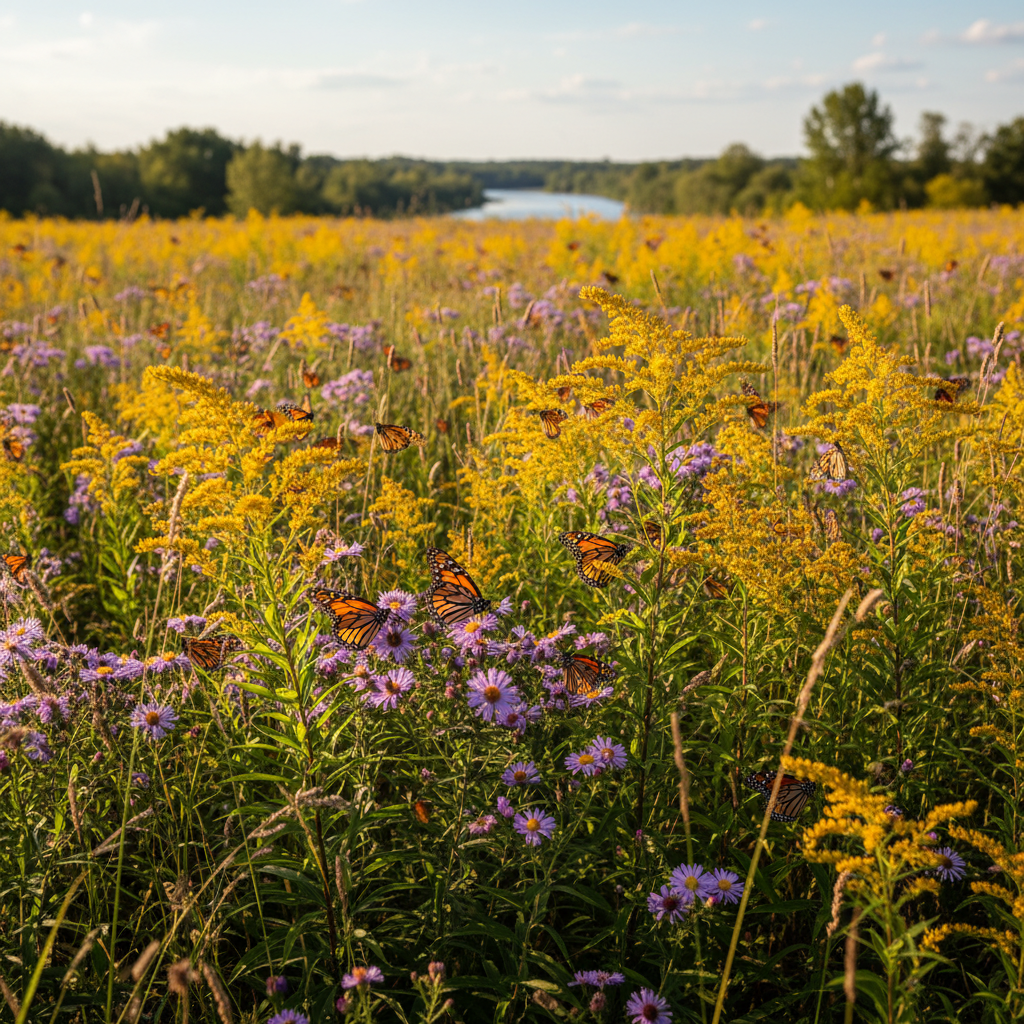
The shift away from cosmetic pesticides has pushed Ontario homeowners and landscaping professionals toward integrated pest management (IPM) and organic lawn care practices. These approaches are not just about avoiding fines. They reflect a growing understanding that healthy landscapes support broader environmental health, from soil biology to pollinator populations to water quality.
Practical alternatives include overseeding lawns in fall to thicken turf and crowd out weeds, adjusting mowing height to promote deeper root growth, and applying corn gluten meal as a pre-emergent weed suppressor. For insect problems, nematode applications can control grubs without the environmental impact of chemical insecticides. Topdressing with compost improves soil health over time, reducing the conditions that allow weeds and pests to take hold.
Many Ontario municipalities now offer workshops, rebate programs, or informational guides on pesticide-free lawn and garden care. Conservation authorities sometimes run similar programs, particularly in areas where residential pesticide runoff has been identified as a concern for local waterways. The Ontario government's pesticide information page provides a starting point for understanding the rules and finding compliant products.
Why This Matters for Community Health
Pesticide bylaws are not just an environmental issue. They connect directly to the factors that make a community healthy. Research has linked chronic low-level exposure to certain pesticides with a range of health concerns, including respiratory issues, endocrine disruption, and developmental effects in children. Pets are also vulnerable, as dogs and cats that spend time on treated lawns can absorb pesticide residues through their paws and skin.
The Health Canada Pest Management Regulatory Agency (PMRA) continues to review the safety profiles of registered pesticides, and re-evaluations occasionally result in products being pulled from the market. Staying within the bounds of Ontario's cosmetic pesticide ban means you are using products that have cleared both federal registration and provincial approval for residential use, which provides a reasonable baseline of safety.
Beyond individual health, pesticide use affects shared resources. Runoff from treated lawns can carry chemicals into stormwater systems, local waterways, and eventually drinking water sources. Ontario's source water protection plans, managed through conservation authorities, increasingly identify residential pesticide use as a factor in water quality management.
What Homebuyers Should Know
If you are evaluating a new neighbourhood, the local approach to pesticide management can tell you something about the community's broader environmental values. Towns with active pesticide bylaws, naturalized public spaces, and community garden programs tend to be places where residents and municipal staff take environmental health seriously.
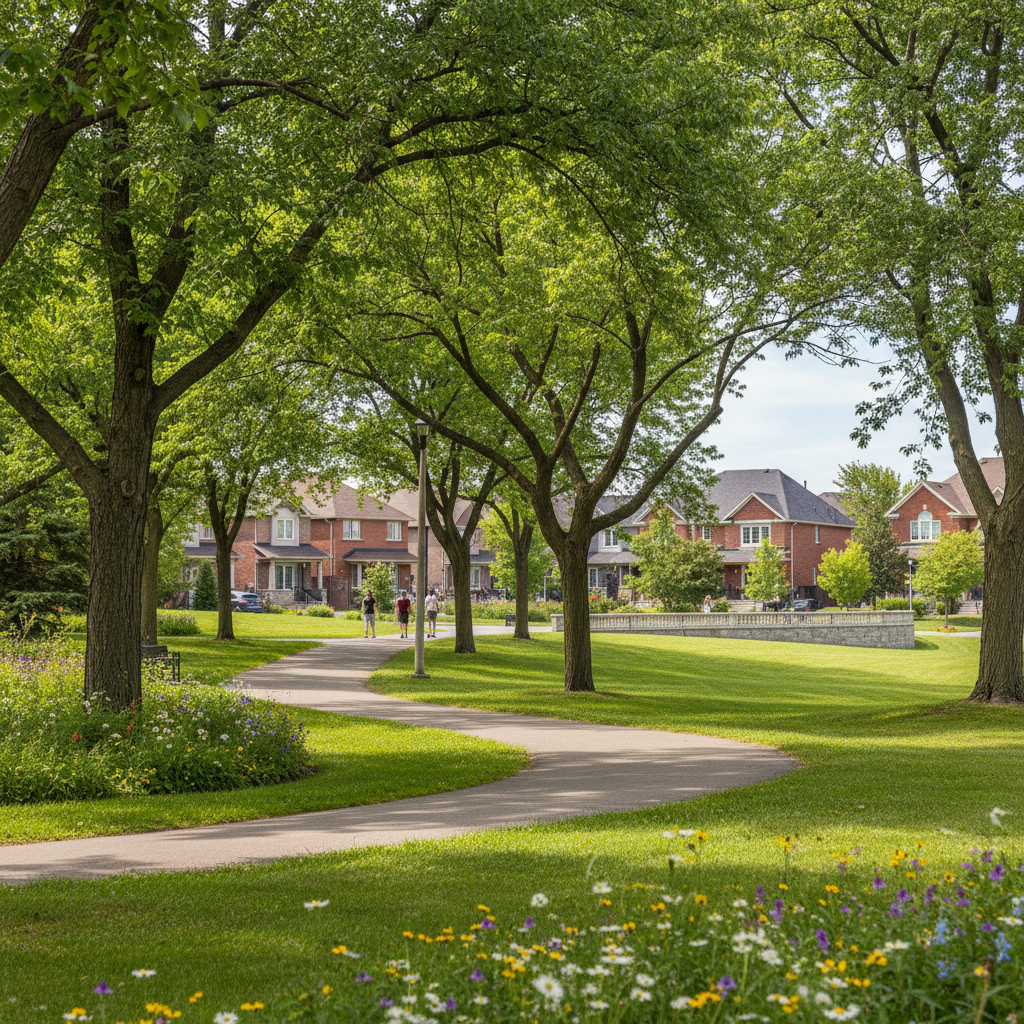
When viewing properties, look at the condition of lawns and gardens in the surrounding area. An entire street of unnaturally perfect, weed-free lawns in the middle of summer might indicate heavy chemical use, which could be a concern if you have young children or pets. Conversely, neighbourhoods with a mix of lawn styles, some clover, and visible pollinator gardens suggest a community that has adapted to the pesticide ban in a healthy way.
Ask your real estate agent or the municipality about any local environmental programs, and check whether the local conservation authority has specific guidance on pesticide use in your area. These small details can contribute to a clearer picture of the environmental quality of a neighbourhood before you commit to a purchase.
Ontario's pesticide bylaws represent a significant shift in how communities manage residential landscapes. Understanding the rules, the alternatives, and the health considerations behind them helps you maintain your property responsibly while contributing to a healthier neighbourhood for everyone. For a broader overview of factors to consider when evaluating a new community, see our Health Canada pest management resource page.