Trail Usage Trends Since the Pandemic
Healthy Landscapes Ontario | January 8, 2026
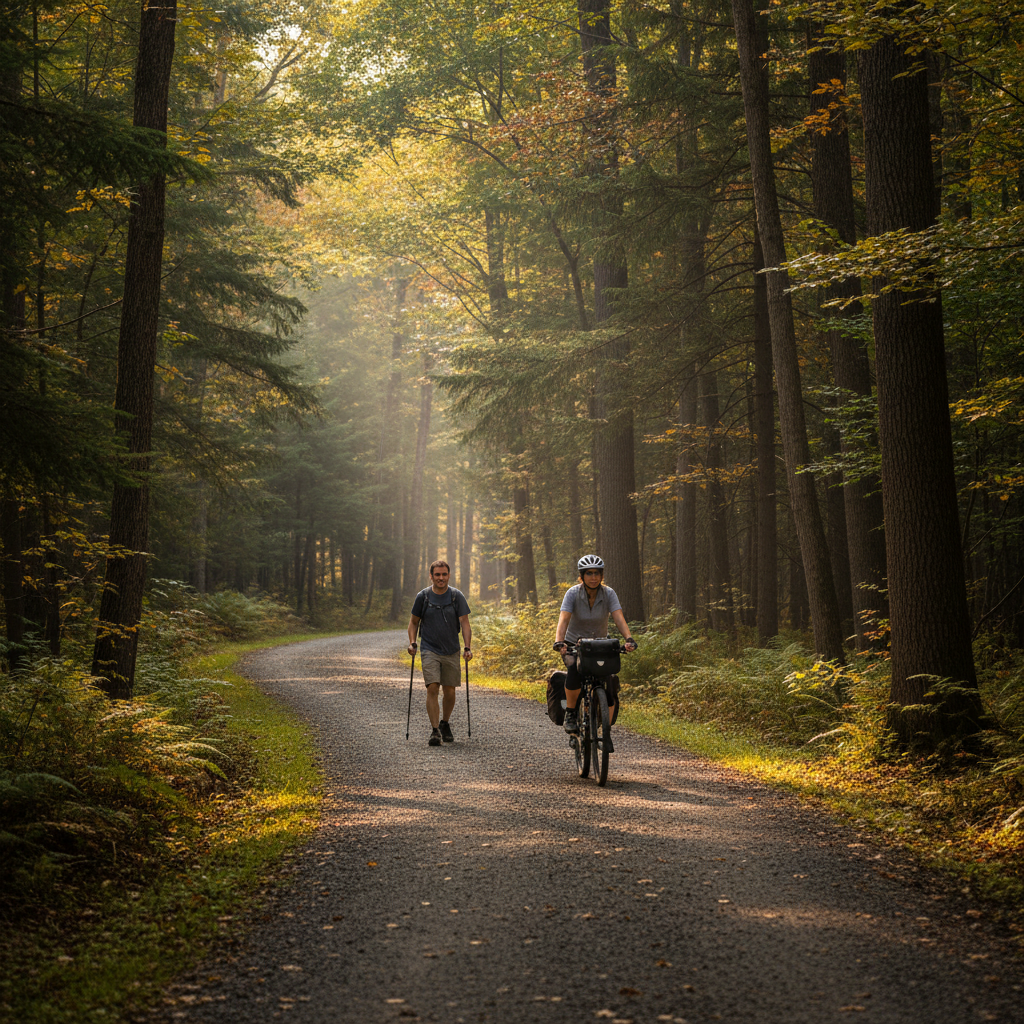
In the spring and summer of 2020, trail counters in the Northern Bruce Peninsula, Caledonia, and Hamilton regions registered a 124 percent increase in daily usage compared to the previous year. Ontario Parks reported a near doubling of reservation numbers. Ontario's national and provincial parks saw close to 13 million visitors that year, as international travel shut down and people who had never thought of themselves as hikers discovered that the trail behind the subdivision was suddenly the most interesting place they could legally go.
Five years on, those numbers have not returned to pre-pandemic levels. The surge created a new baseline of outdoor recreation demand that Ontario's trail infrastructure was not built to absorb, and the consequences are still playing out in eroded banks, compacted soil, overcrowded trailheads, and an ongoing tension between ecological protection and public access.
The Scale of the Shift
The 2021 Canadian City Parks Report from Park People documented the breadth of the change. Fifty-five percent of municipal park departments across Canada reported increased attendance, with some systems seeing double or triple their normal visitor counts. The increase was not limited to high-profile destinations. Neighbourhood parks, urban ravines, and small-town walking paths all saw sustained upticks.
In Ontario, the pattern was especially pronounced because so much of the population lives within easy reach of significant trail systems. An estimated seven million people live within 100 kilometres of the Bruce Trail alone. When international travel collapsed and gyms closed, those proximity numbers converted into foot traffic at a speed that caught trail managers off guard.
The 2023 Park People report found that the elevated usage had largely persisted, and with it came ongoing management challenges. Sixty-three percent of surveyed cities said tensions between natural protection and recreational use of parks were a significant source of conflict, with 26 percent rating it a "very significant" concern.
What the Trails Absorbed
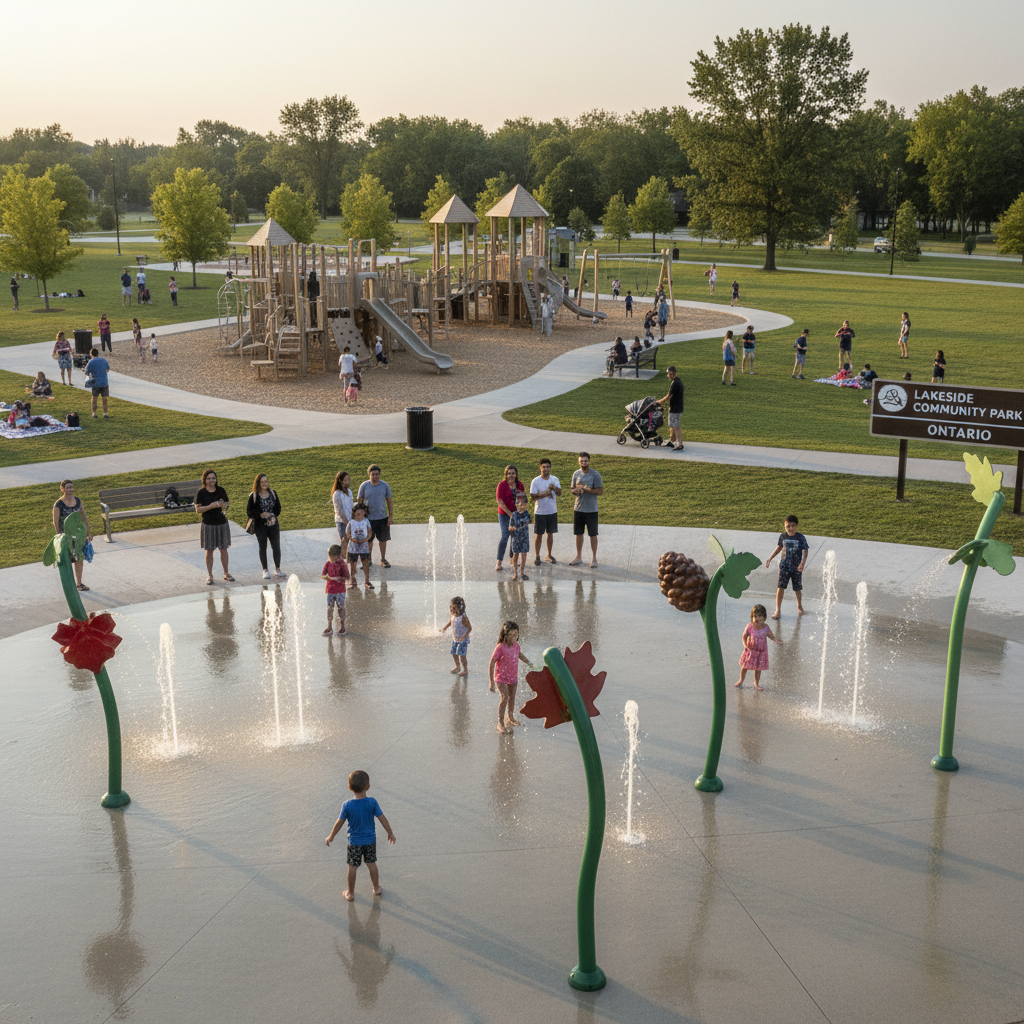
Family trail use has remained well above pre-2020 levels across Ontario, creating both opportunity and strain for park managers.
The physical damage has been well-documented. Ontario Parks staff reported sharp increases in off-trail hiking, with visitors creating informal "social trails" that trampled sensitive habitat and caused soil compaction in areas that had been undisturbed for decades. Ontario Parks has noted that these unofficial paths damage plant communities, increase erosion, degrade water quality in nearby streams, and compress soil to the point where plant roots struggle to establish.
Litter and illegal dumping spiked across both provincial and national parks. Parks Canada reported increases in people feeding wildlife, off-leash dogs entering sensitive areas, and vandalism. The provincial government and Parks Canada jointly launched the #ForTheLoveOfParks campaign in response, aiming to re-establish behavioural norms among a visitor population that now included millions of people with no prior trail experience.
The Bruce Trail Conservancy began recommending that visitors research locations in advance, check for closures, make parking reservations where available, and have a backup destination ready for when lots fill up. On popular sections near Hamilton, the Niagara Escarpment, and the Blue Mountains, weekend parking was routinely full by mid-morning through much of 2021 and 2022, a problem that has eased somewhat but not disappeared.
A Permanent Change in Demand
The most important finding from the post-pandemic data is that trail usage did not snap back. People who started walking and hiking during lockdowns, many of them, kept going. This is broadly a good outcome for public health. The mental health evidence on green space exposure is strong, and physical activity in natural settings consistently outperforms gym-based exercise on stress and mood measures.
But it also means that trail systems designed for lower volumes need investment. The Park People data suggests that many Canadian municipalities are caught between rising demand and flat or declining parks budgets. Trail maintenance backlogs have grown. Some cities have reported changes in wildlife behaviour near high-traffic trails, with animals shifting to adjacent areas and creating new conflicts.
Ontario communities that have invested in trails as everyday infrastructure are better positioned. Formalized trail building with proper drainage, boardwalks over sensitive areas, and clear wayfinding reduces both ecological damage and user conflict. Educational signage about trail etiquette has shown some effectiveness, particularly at trailheads where it reaches first-time visitors.
The pandemic-era trail boom also reinforced something that trail planners in smaller municipalities have argued for years: trails are not amenities. They are transportation, recreation, and public health infrastructure rolled into one. The communities that treated them that way before 2020, investing in proper surfaces, connectivity, and maintenance, handled the surge far better than those that viewed trails as a nice-to-have line item.
The question for Ontario's trail network now is not whether demand will remain elevated. It will. The question is whether investment will catch up to the new reality, or whether the province's most accessible form of nature access will continue to degrade under the weight of its own popularity.