Access to Nature and Quality of Life
Healthy Landscapes Ontario | October 1, 2025
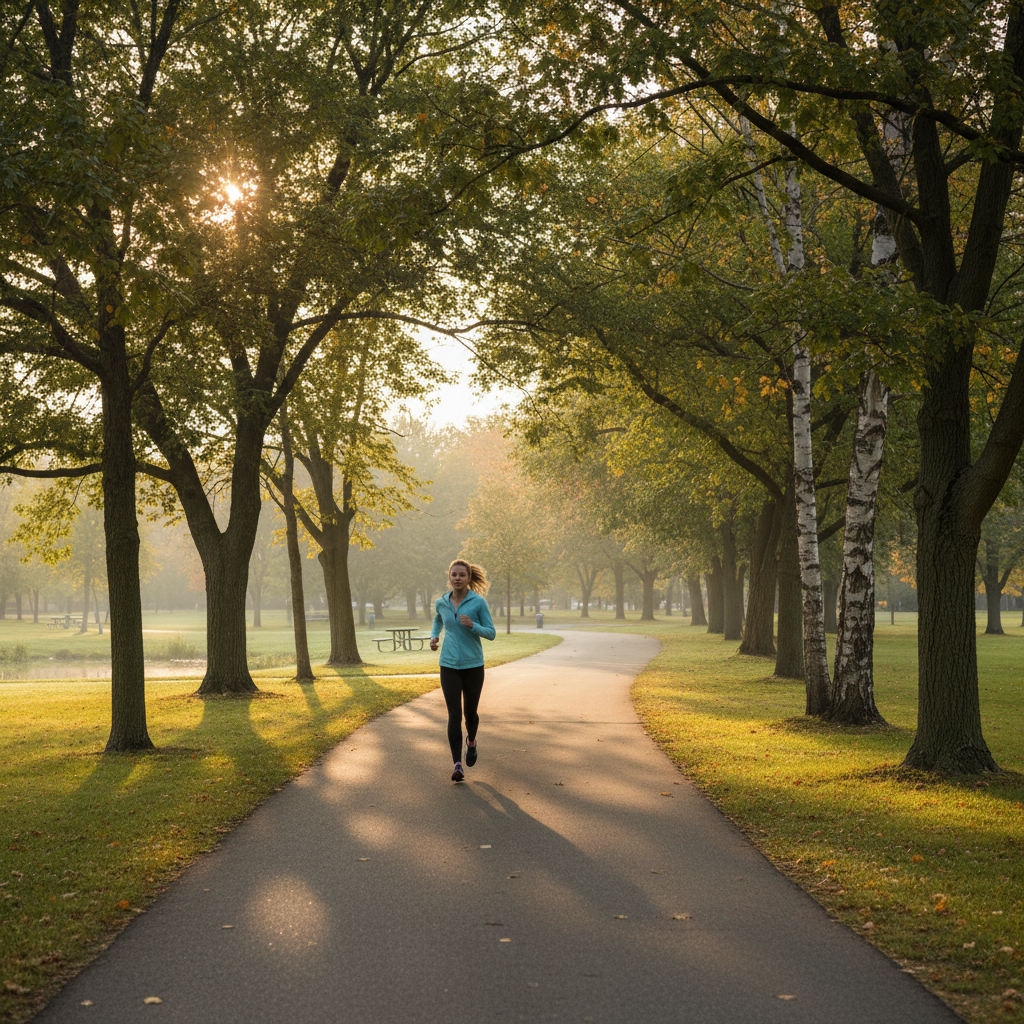
There is a simple test for quality of life in any Ontario community: how quickly can a resident step outside and reach a place where they are surrounded by trees, birdsong, or water? The answer varies enormously depending on where you live, and those differences have real consequences for health, happiness, and social equity.
Nature access is no longer a soft planning concept. It is a measurable indicator used by public health officials, urban planners, and quality-of-life researchers worldwide. Ontario, with its mix of dense urban centres, sprawling suburbs, and small rural towns, faces a complex challenge in ensuring that every resident can enjoy regular, meaningful contact with the natural world.
What Does Nature Access Mean for Everyday Life?
Nature access is about more than having a park nearby, though that matters. It includes the quality and character of outdoor spaces, the ease of reaching them on foot or by transit, and whether they feel safe, welcoming, and well-maintained. A neglected patch of grass next to a busy road is technically green space, but it does not provide the restorative benefits of a trail winding through a wooded ravine.
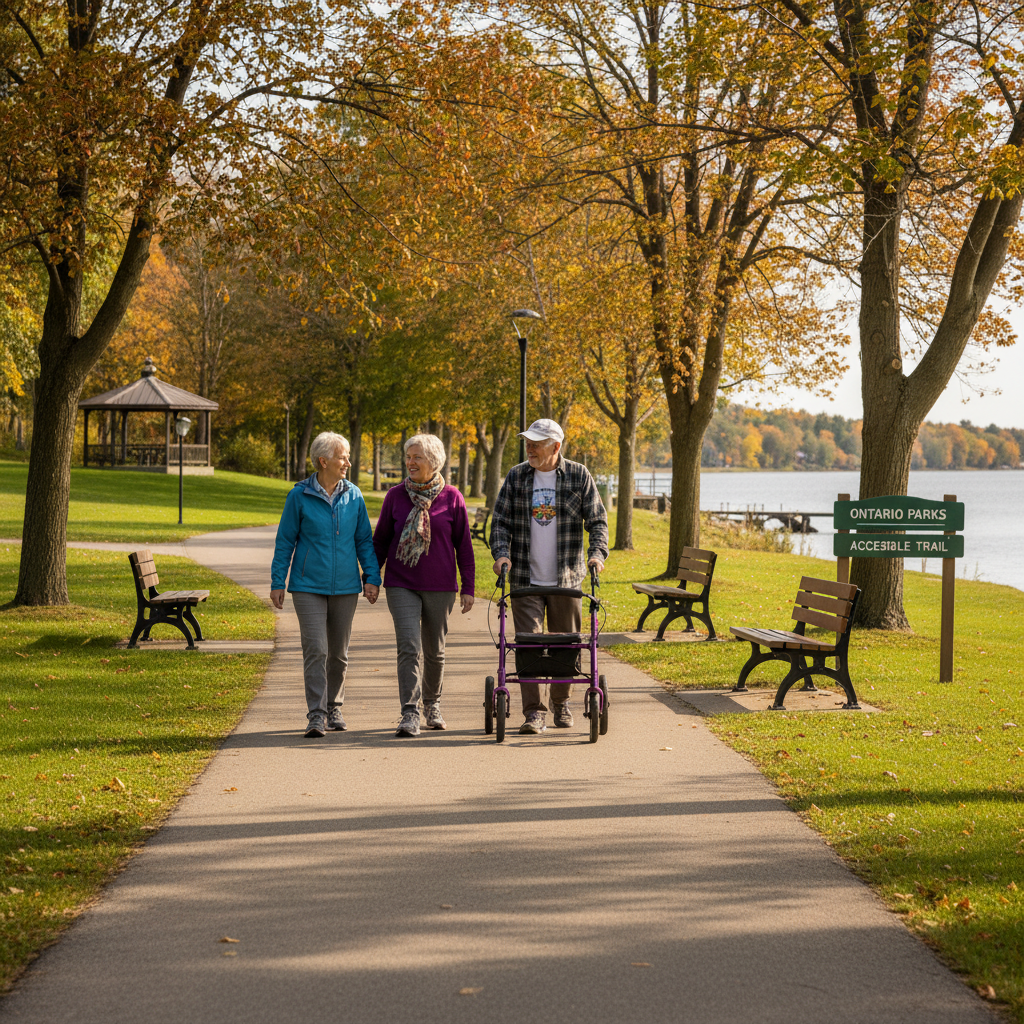
For older adults, nearby green space offers accessible opportunities for movement, rest, and social interaction.
For many Ontarians, nature access shapes daily routines. The retiree who walks through a neighbourhood park each morning. The parent who takes children to a creek after school. The shift worker who sits under a tree during a break. These moments of contact with nature reduce cortisol levels, improve mood, and create a sense of calm that accumulates over time.
Research from the University of British Columbia and other Canadian institutions has confirmed what many people sense intuitively: spending even 20 minutes in a natural setting measurably reduces stress and improves cognitive function. The Nature Conservancy of Canada has highlighted that these benefits are most pronounced for people who experience them regularly, which makes proximity essential.
How Does Nature Access Vary Across Ontario?
Ontario's geography offers extraordinary natural diversity, from the boreal forests of the north to the Carolinian woodlands of the southwest. But access to nature at the neighbourhood level is unevenly distributed, particularly in southern Ontario where most of the population lives.
In older urban neighbourhoods, mature tree canopies and established parks often provide generous nature access. Newer suburban developments, by contrast, may have been built with minimal tree cover, small or distant parks, and street designs that prioritize car traffic over walking. Industrial and lower-income areas frequently have the least green space per capita.
This disparity is not just about aesthetics. Neighbourhoods with less green space tend to be hotter in summer, have poorer air quality, and offer fewer opportunities for physical activity. The health consequences compound over years and generations, contributing to the chronic disease patterns that public health units track across the province.
Rural Communities Face Different Challenges
While rural Ontario is surrounded by farmland and forest, nature access for rural residents is not automatic. Small towns may lack maintained trails and parks. Conservation areas may require a car to reach. And the shift from mixed farming to large-scale agriculture has reduced the habitat diversity that once characterized much of southern Ontario's countryside.
For rural residents, nature access often depends on informal arrangements: walking on township roads, accessing private woodlots, or using seasonal trails maintained by volunteers. Formalizing and improving these connections is an important part of building robust trail networks that serve all Ontarians.
What Are Ontario Communities Doing to Improve Access?
Many Ontario municipalities are taking deliberate steps to close nature access gaps. Toronto's Parkland Strategy, adopted in 2019, uses data-driven analysis to identify areas where new parkland is most needed. The strategy recognizes that as the city densifies, maintaining per-capita green space requires ongoing land acquisition and creative approaches like rooftop parks, linear greenways, and naturalized stormwater facilities.
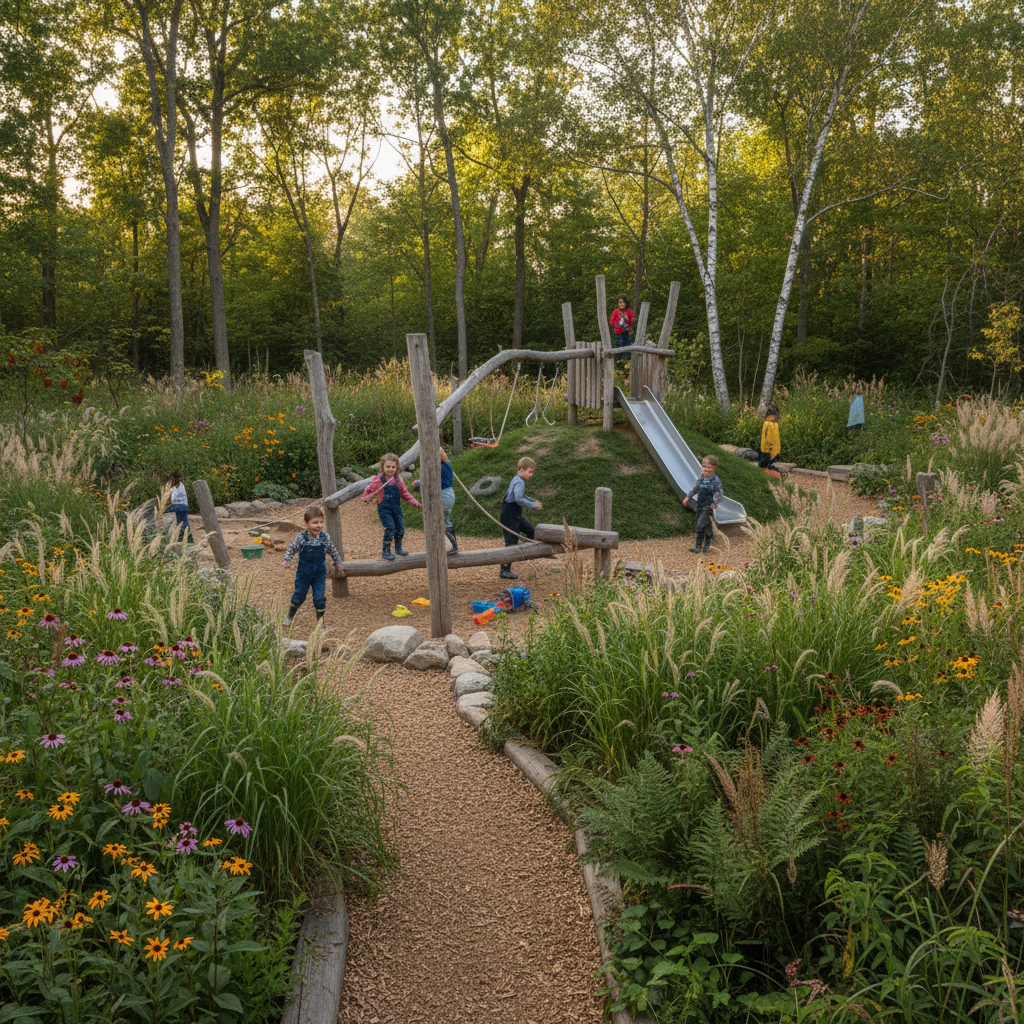
Natural playgrounds blend play structures with landscape elements, encouraging children to explore and connect with nature.
In the Region of Waterloo, the Countryside Line program has created a network of trails and natural areas that ring the urban boundary, giving suburban residents direct access to countryside landscapes. Smaller communities like Collingwood and Huntsville have invested in waterfront trails that connect downtown areas to natural shorelines.
Conservation authorities across Ontario play a vital role as well. Organizations like the Grand River Conservation Authority and the Toronto Region Conservation Authority manage thousands of hectares of public land and operate trail systems that provide nature access for millions of residents. Reducing financial barriers to these spaces, such as parking fees and program costs, is an ongoing conversation in many communities.
How Does Nature Access Affect Property Values and Local Economies?
Nature access is also an economic story. Real estate studies consistently show that proximity to parks, trails, and natural areas increases property values. In Ontario, homes near the Niagara Escarpment, along urban ravines, or beside community parks command premiums that reflect the value residents place on nature access.
For municipalities, this translates to a stronger tax base. It also means that investing in green space is not purely an expense. Well-designed parks and trails attract residents, support local businesses, and reduce long-term health care costs by promoting active, healthy lifestyles. Communities that brand themselves around trail networks and natural landscapes often see tourism benefits as well.
What Can Residents Do to Improve Nature Access?
Individual residents and community groups have meaningful power to improve nature access in their neighbourhoods. Attending municipal planning meetings, particularly during official plan reviews and development application hearings, ensures that green space is part of the conversation when growth decisions are made.
Volunteering with local trail organizations, tree planting groups, and park stewardship programs directly improves the quality and accessibility of nearby natural areas. Starting a community garden on underused municipal land brings nature into neighbourhoods that may lack formal green space.
Even at the property level, choices matter. Planting native trees and shrubs, reducing lawn area in favour of meadow or garden, and supporting neighbourhood naturalization projects all contribute to the collective nature access that defines a community's character and quality of life.
Frequently Asked Questions
Why is access to nature considered a quality-of-life indicator?
Research links proximity to natural areas with reduced stress, increased physical activity, stronger social connections, and improved mental health. Communities with better nature access consistently score higher on quality-of-life measures used by planners and public health officials.
How far should residents live from a park or natural area?
Most planning guidelines recommend a park or natural area within a 5 to 10 minute walk, roughly 400 to 800 metres. The World Health Organization recommends that every urban resident have access to green space within 300 metres of their home.
What barriers prevent people from accessing nature in Ontario?
Common barriers include distance from parks, lack of safe walking or cycling routes, poor park maintenance, limited transit connections to natural areas, and economic factors like parking fees at conservation areas.
How can Ontario communities improve nature access for all residents?
Strategies include creating pocket parks in underserved areas, naturalizing underused municipal land, improving trail connections, reducing or eliminating fees at conservation areas, and ensuring new developments include accessible green space from day one.