Community Engagement in Public Space Planning
Healthy Landscapes Ontario | February 10, 2026
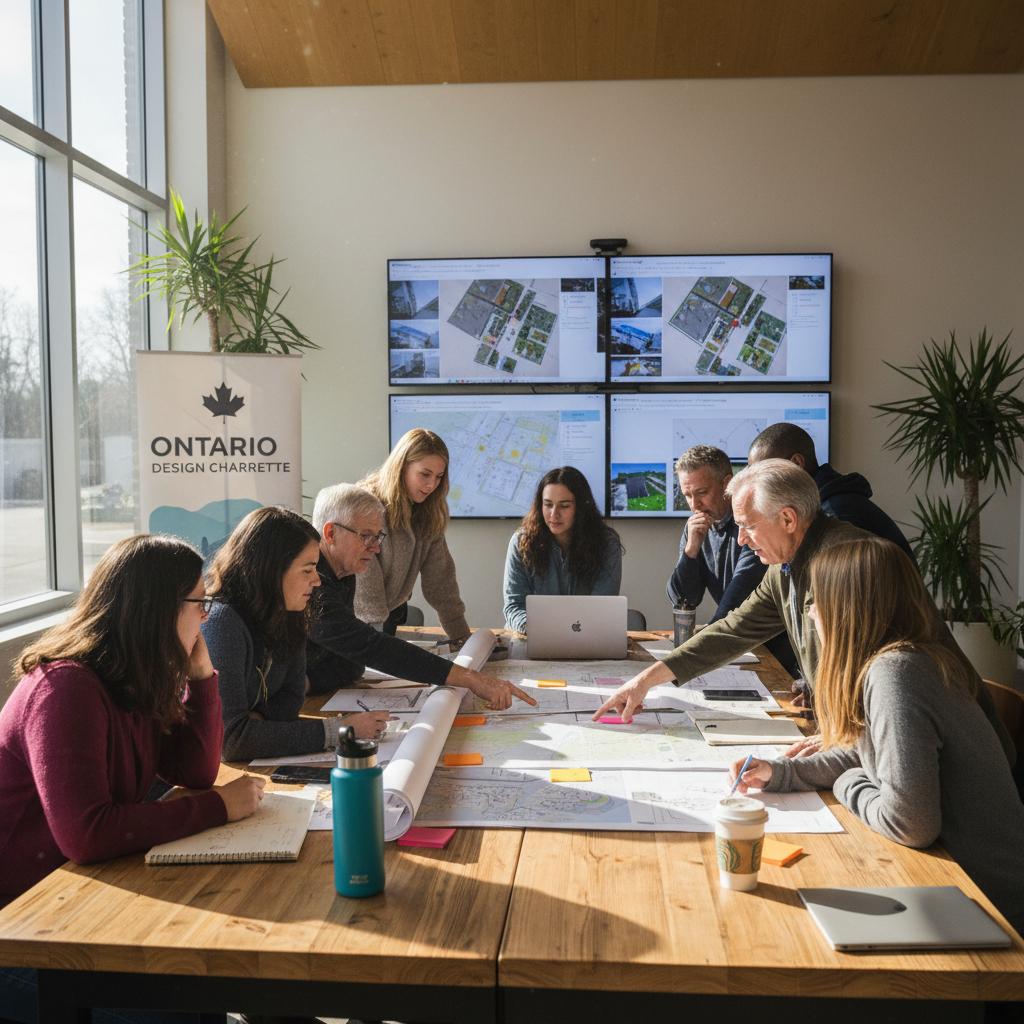
Meaningful engagement goes beyond public meetings. The best processes use multiple methods to reach people who might never attend a formal consultation.
Public spaces belong to the public, but they are too often designed without meaningful input from the people who will use them. When a park, trail, garden, or plaza is planned with genuine community engagement, the result is a space that people feel ownership of, use regularly, and help maintain over time. When engagement is skipped or treated as a formality, the result is often a space that misses the mark, attracts complaints, or sits underused.
This guide covers practical approaches to community engagement for public space projects in Ontario, with a focus on methods that reach beyond the usual voices and produce input that actually shapes decisions.
Why Engagement Matters for Public Spaces
Community engagement for public space planning is not just about being democratic. It produces better outcomes in measurable ways:
- Better design: Residents know their neighbourhood in ways that designers and planners cannot. They know where people gather informally, which routes feel safe and which do not, where children play, and what is missing from their daily experience.
- Stronger support: When people feel they shaped a space, they advocate for its funding, defend it against budget cuts, and volunteer to maintain it.
- Fewer conflicts: Engagement surfaces potential objections early, when they can be addressed through design rather than after construction when changes are expensive.
- Equity: Without intentional engagement, public space investments tend to reflect the preferences of those with the most political power. Good engagement ensures that the needs of children, seniors, people with disabilities, newcomers, and lower-income residents are heard.
The Engagement Spectrum
Not every project requires the same depth of engagement. The International Association for Public Participation (IAP2) framework describes a spectrum from inform (one-way communication) to empower (community makes the decision). Most Ontario public space projects should aim for the middle of this spectrum: consult (gather input) or involve (work directly with the public to ensure concerns are considered).
For small projects like a single garden or playground upgrade, consultation through surveys and one or two open houses may be sufficient. For larger projects like a new park or trail network, deeper involvement through design workshops, advisory committees, and iterative feedback loops is appropriate.
Methods That Work
Go to where people are
The traditional public meeting in a municipal hall on a weekday evening reaches a narrow slice of the community: typically older homeowners with flexible schedules and a habit of civic participation. To hear from everyone else, you need to go to them.
- Intercept surveys: Set up a table at the grocery store, farmers market, library, or school pickup area with a short (3 to 5 question) survey and a map. Five minutes of someone's time at a location they are already visiting yields input you would never get from a formal meeting.
- Pop-up engagement: Set up in the park or space itself. When you talk to people in the place you are planning to improve, the conversation is grounded in real experience.
- Partner with community organizations: Settlement agencies, seniors centres, cultural associations, and faith communities have existing relationships and trust with populations that municipal processes often miss.
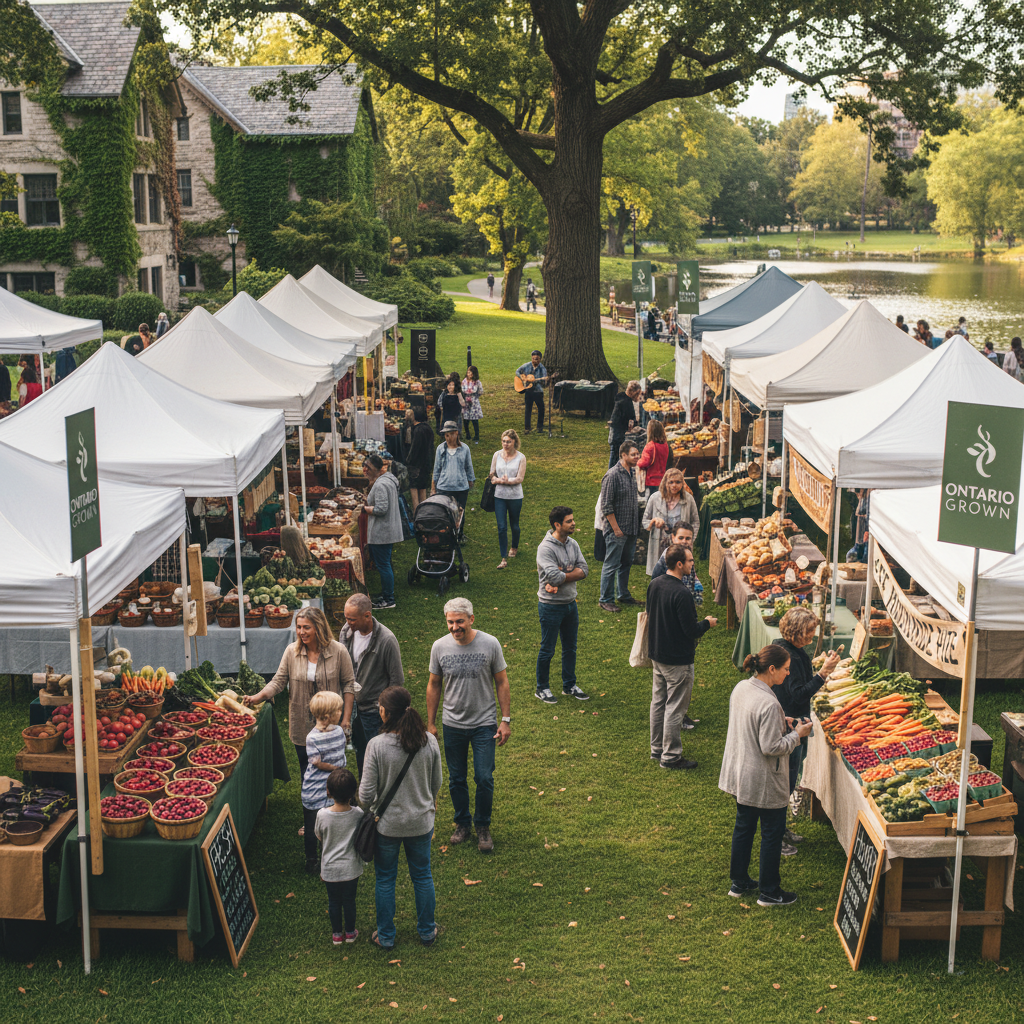
Farmers markets, festivals, and other community events are excellent venues for informal engagement that reaches people who would never attend a planning meeting.
Use visual and hands-on methods
Not everyone communicates comfortably in writing or in formal meeting settings. Visual and participatory methods lower barriers and often produce richer input:
- Dot voting: Present several design options or feature priorities on large boards and give participants dot stickers to place on their preferences. It is fast, visual, and works across language barriers.
- Mapping exercises: Provide large maps of the site and surrounding area. Ask people to mark favourite spots, problem areas, routes they walk, and places they avoid. Patterns emerge quickly.
- Design charrettes: Facilitated workshops where community members work with designers in small groups to sketch ideas and discuss trade-offs. These produce both useful design input and community understanding of the constraints involved.
- Walking audits: Walk the site with community members and ask them to point out what they like, what they would change, and what they need. Walking tours are especially effective with seniors, children, and people with mobility challenges whose experience of a space differs from that of able-bodied adults.
Online engagement
Online tools extend reach to people who cannot attend in-person events. Platforms like Bang the Table (EngagementHQ), Mentimeter, and even simple Google Forms allow people to contribute at their convenience. Interactive mapping tools let residents pin comments to specific locations.
Online engagement works best as a complement to in-person methods, not a replacement. Digital tools tend to over-represent younger, more connected populations, so they should be paired with face-to-face outreach to maintain balance.
Engaging Underrepresented Groups
Every community has voices that are systematically absent from planning processes. In Ontario, these often include:
- Children and youth: Primary park users whose needs are frequently assumed rather than asked about. Use drawing exercises, photo walks, and model-building with younger children. For teens, use their own communication channels and give them real decision-making power over some elements of the design.
- Seniors: Particularly those with mobility limitations or who live alone. Visit seniors residences, community dining programs, and activity centres rather than expecting seniors to come to you.
- Newcomers and non-English speakers: Translate key materials, provide interpreters at events, and partner with settlement agencies. Recognize that public spaces serve different cultural functions for different communities.
- People with disabilities: Consult accessibility advisory committees and disability organizations. Include people with diverse disabilities (mobility, vision, hearing, cognitive) in site walks and design reviews.
- Indigenous communities: When projects affect Indigenous territories or cultural sites, early and respectful engagement with relevant First Nations is both a legal obligation under Ontario's duty to consult framework and essential for meaningful outcomes.
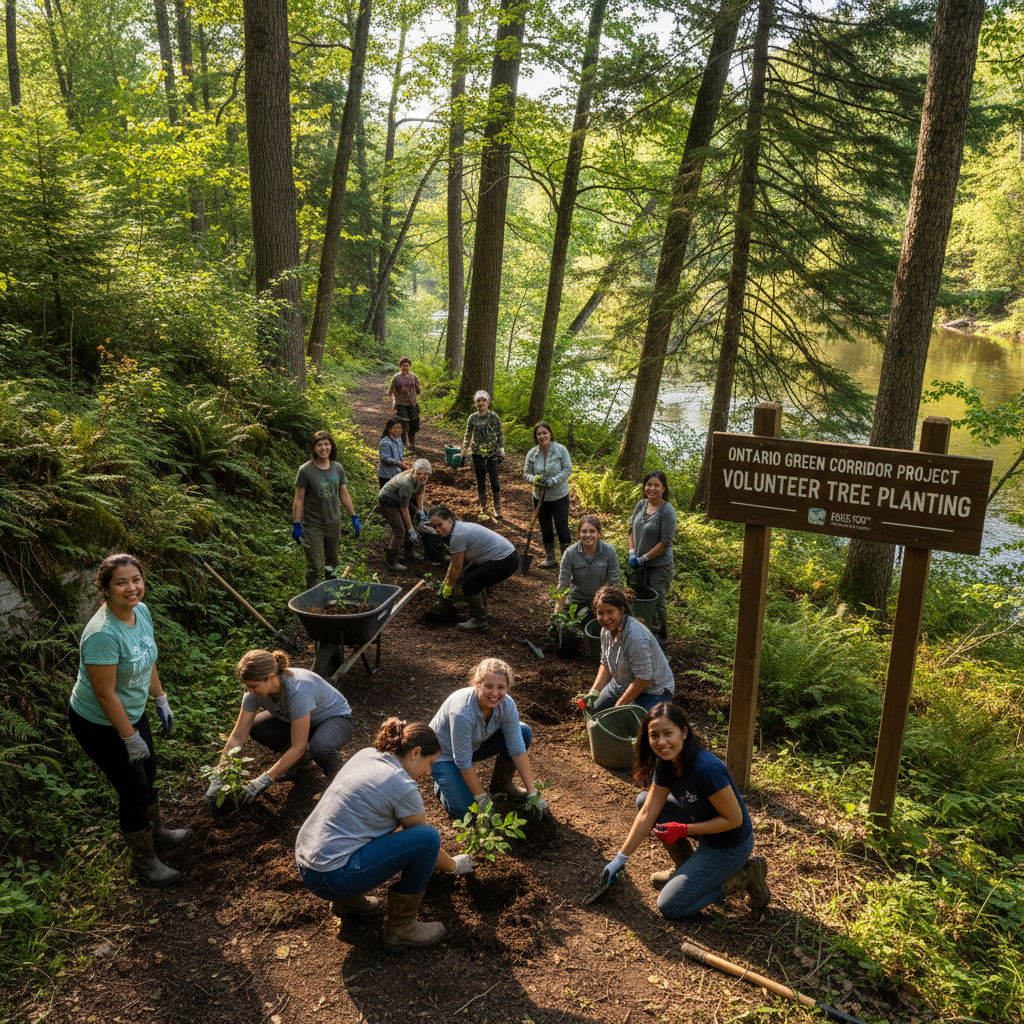
Community engagement is not just a planning phase. Ongoing volunteer involvement keeps residents connected to public spaces long after the design process ends.
Close the Loop
The fastest way to destroy trust in engagement is to ask for input and then ignore it. Always report back to participants about what you heard, what you did with their input, and why certain decisions were made. Even when community preferences could not be fully accommodated due to budget, technical, or regulatory constraints, explaining the reasoning maintains trust and keeps people engaged for future projects.
A simple "What We Heard" summary, shared through the same channels used for outreach, is sufficient for most projects. For larger initiatives, consider a more detailed engagement report that documents methods, participation numbers, key themes, and how input influenced the final design.
Engagement as an Ongoing Practice
The best public space projects treat engagement not as a phase that ends when construction begins but as an ongoing relationship between the community and its shared spaces. Post-construction evaluations, seasonal programming input, and volunteer stewardship programs keep residents connected to the spaces they helped create.
When communities see that their input leads to real change, participation grows. When green space projects, park designs, and trail plans are shaped by genuine community voice, the results are spaces that people love, use, and defend for years to come.
Frequently Asked Questions
How many people need to participate for engagement to be meaningful?
There is no magic number. The quality and diversity of participation matter more than the total count. Hearing from 40 people who represent the full range of community perspectives (different ages, incomes, cultural backgrounds, abilities) is more valuable than 200 responses from a single demographic. Track who is participating and actively recruit underrepresented groups.
What if the community cannot agree on what they want?
Disagreement is normal and healthy. The goal of engagement is not to achieve perfect consensus but to understand the range of needs and priorities. When conflicts arise, look for common ground (most people agree on safety, cleanliness, shade, and accessibility), be transparent about trade-offs, and explain how decisions were made. People can accept outcomes they did not prefer if they feel the process was fair.
How do we engage people who never come to public meetings?
Go to where people already are. Set up a table at the grocery store, farmers market, library, community centre, or school pickup line. Use short intercept surveys (3 to 5 questions). Offer online engagement tools for people who cannot attend in person. Partner with community organizations that already have trust and relationships with harder-to-reach populations.
Should we engage children in public space planning?
Absolutely. Children are primary users of parks and public spaces, and they often have different priorities than adults assume. Age-appropriate methods like drawing exercises, walking tours where children point out what they like and dislike, and building models with craft materials can reveal needs that adult-focused processes miss entirely.